Get Full Government Meeting Transcripts, Videos, & Alerts Forever!
Get email alerts on the Literacy And Student Achievement topic
No spam. Unsubscribe anytime.
Lincoln Parish officials cite sharp K–3 literacy gains after UFLI rollout, set 80% proficiency goal
Summary
District administrators told the school board that K–3 proficiency rose to 71.6% following UFLI Foundations implementation, with large gains among English learners and historically underserved students; the district plans targeted fluency work to push K–3 past 80% next year.
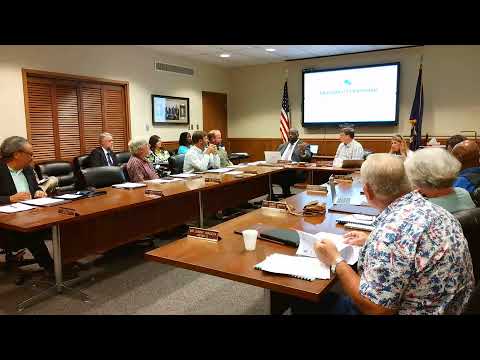
Lincoln Parish administrators on July 7 credited a three‑year implementation of the UFLI Foundations reading curriculum with significant gains in early literacy and outlined plans to strengthen oral reading fluency in grades 2 and 3.
Michelle Thrower presented the district's DIBELS and proficiency data, reporting a K–3 district average of 71.6% proficiency compared with the Louisiana state average of 66.2%. Thrower said district K–3 proficiency rose 21.2 percentage points in a single year, from 50.4% at the start of the 2025 school year to 71.6% at year end. She noted particularly strong results in kindergarten and first grade: "In kindergarten and 2nd grade, we beat the state proficiency average by 5.2 percentage points. Look at grade 1. Our students outperformed the state by 8.7 percentage points, achieving a phenomenal 76.2% proficiency rate."
Thrower emphasized that the district intends to translate decoding gains into comprehension by intensifying work on oral reading fluency in grades 2 and 3. She said grade‑level proficiency figures finished the year at 69.6% (grade 2) and 66.3% (grade 3) and described plans to expand UFLI coaching, extend UFLI Foundations curriculum into third grade, strengthen small‑group instruction for struggling readers and incorporate pre‑K routines where appropriate.
The presentation highlighted demographic improvements: Black or African American students improved by 17.2 percentage points (from 43.2% to 60.4% proficient), Hispanic/Latino students rose over 20 points to 73.3% proficient, English learners increased 26.2 points to 80% proficient, and students with disabilities moved from 27.7% to 44% proficient. Dr. Emily Howe and Thrower framed those gains as evidence that an explicit, systematic phonics approach can narrow achievement gaps when paired with coaching and targeted interventions.
Administrators described summer programming that supported those results: an elementary summer program averaging 189 participants with 30 teachers across 15 classrooms, DIBELS screening for targeted students, and high‑school remediation courses plus career and technical opportunities that produced more than 250 industry‑recognized credentials for participating students. The district will provide individualized academic support plans and high‑dosage tutoring for students who remain below proficiency thresholds.
Board members praised the results and urged continuing investment in teacher coaching and intervention strategies. Superintendent John Young said the district will continue professional development and planning and set a target to exceed 80% K–3 proficiency next school year.
What was said "The growth is compounding over time," Thrower told the board, noting that "our kindergarten and 1st grade teachers have mastered the K‑1 scope and sequence." She framed oral reading fluency as the next priority: "We need to focus more intensely on oral reading fluency" to move students from decoding to deep comprehension.
Next steps District leaders plan expanded UFLI coaching for K–3 teachers, implementation of UFLI Foundations in grade 3, strengthened small‑group instruction for struggling readers and continued summer and in‑year high‑dosage tutoring. Administrators said they will provide updates on implementation and outcomes during the 2026–27 school year.