Get Full Government Meeting Transcripts, Videos, & Alerts Forever!
Get email alerts on the State Budget topic
No spam. Unsubscribe anytime.
Appropriations committee splits over using bond proceeds or stabilization fund to shore up highway budget
Summary
The Appropriations Committee debated competing plans to fill a $13M highway‑fund shortfall — moving unneeded bond authorization into the general fund versus transferring money from the budget stabilization (rainy day) fund — and approved language sourcing the transfer from the stabilization fund after close votes.
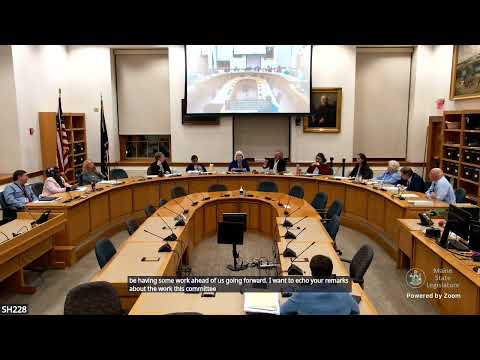
The Maine Legislature Appropriations Committee on Tuesday debated how to close a roughly $13 million shortfall in the highway fund before approving language that would source the transfer from the state’s budget stabilization fund.
Representative Jack Ducharme moved to reduce one‑time authorized general obligation bond funding by $14,752,057 so the treasurer could move the money into the general fund and then transfer approximately $13,029,115 to the highway fund to fill the identified gap and allow MaineDOT to move forward on projects. The first version of that motion failed on a 5–8 vote. A revised motion that reduced the one‑time bond authorization and then—by separate language—directed the highway transfer to come from the budget stabilization fund passed 8–5.
Supporters framed the action as a way to give MaineDOT the certainty it needs to contract for road and culvert work. Representative Ducharme said the funding would "provide them with the certainty the process needs to do this" and noted the figure would cover work on roughly 80–90 miles of road. Representative Amy Arata called the available bond interest a “great opportunity” and urged using the unspent funds to keep roads safe; she also warned against drawing down reserves recklessly.
Opponents argued the decision was about where to draw fiscal lines. Several Republicans said they favored using the budget stabilization fund only for statutorily permitted emergencies and would prefer targeted spending tradeoffs rather than tapping reserves. One member urged using the stabilization account to craft bipartisan agreement; another said the committee faced a larger spending‑priorities question and accused leaders of avoiding tougher choices.
The committee also heard brief testimony from MaineDOT. Megan Russo, director of government affairs at Maine DOT, told members that “for every $1 of state funds, we receive about $4 in federal funding,” underscoring the leverage a state match provides for federal road dollars.
The committee’s votes created a two‑step result: the committee approved a reduction of one‑time bond authorization to free up general‑fund capacity, then approved language specifying the highway transfer come from the budget stabilization fund. Both motions were carried by roll call.
Next steps: The language approved by the committee will be folded into the supplemental budget package and follows the committee as the Legislature continues budget reconciliation.