Get Full Government Meeting Transcripts, Videos, & Alerts Forever!
Get email alerts on the School Budget topic
No spam. Unsubscribe anytime.
North Rose-Wolcott board hears preliminary budget showing shortfall; March 26 set for rate direction
Summary
Administrators told the board the district faces a multi-million-dollar shortfall, outlined a 3.37% tax-cap benchmark and gave a $100,000-home impact example; the board was asked to set direction at its March 26 meeting.
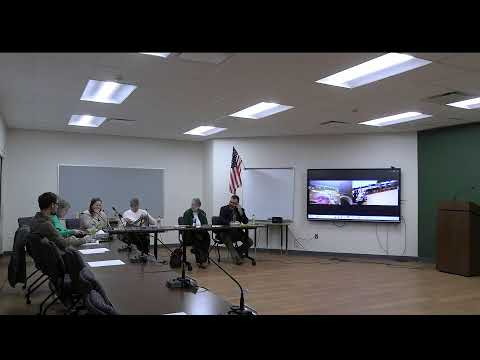
The North Rose-Wolcott Central School District board on Tuesday received a preliminary budget presentation showing a multi-million‑dollar increase in spending that officials said will require either cuts or higher local revenue.
Mr. DeBlasio, who led the budget review, said the district’s tax-cap limit for the coming year is 3.37 and warned that covering the full shortfall would need a roughly 17% override. “This year, our tax levy our tax cap is 3.37,” he said, noting that at the levy cap a $100,000 home (assuming the STAR deduction) would see approximately $23 more per year.
The presentation listed ballot items planned for the budget vote cycle: a proposition to purchase three 35‑passenger buses and two 64‑passenger buses and an annual library appropriation. Administrators emphasized that building aid comes only after capital spending: “We only get the building aid when we spend money on buildings,” Mr. DeBlasio said, explaining timing and cash‑flow implications for debt service.
Board members were shown the maintenance‑budget pie chart and operation categories — general support, pupil transportation, employee benefits, debt service and interfund transfers — and were told the maintenance budget numbers will change as the district pursues reductions to close the gap. Presenters called out specific cost drivers: contractual salary increases (~$1.1 million), benefits (~$828,000), BOCES and special‑education increases, and rising fuel and parts costs for transportation.
Transportation emerged as a pressure point. Mr. DeBlasio said the district is transporting students to about 21 separate institutions and plans to add one permanent driver to meet routed and placement needs. He also described a countywide transportation study with Bana Dio Group Transportation Advisory Services across 11 school districts to look for routing efficiencies and potential intermunicipal agreements.
Administrators listed next steps and dates: budget workshops on April 2 and April 9, an adoption step in April and the district voting window in May (board cited May 19 as a start), with the board asked to set a rate direction at its March 26 meeting.
The presentation was framed as information‑sharing and not a decision; board members asked detailed questions about the numbers and were told the district will return with reduction options once the board signals its preferred levy direction.