Get Full Government Meeting Transcripts, Videos, & Alerts Forever!
Get email alerts on the Utilities Rates topic
No spam. Unsubscribe anytime.
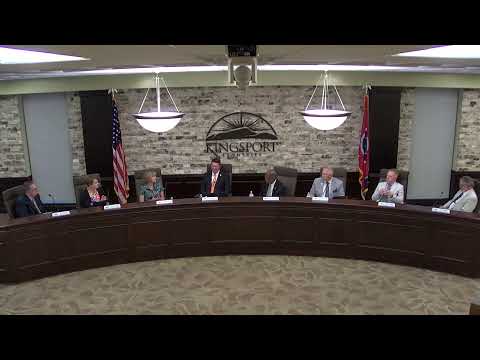
Kingsport approves utility rate increases to fund $60M water, $156M wastewater plans
Summary
The Kingsport Board approved new water, sewer and stormwater rates effective July 1, 2026, after staff said the increases are needed to fund an extensive capital improvement plan including a $60 million water master plan and a $156 million wastewater program. The ordinance passed on first reading.
Kingsport’s Board of Mayor and Aldermen voted to adopt new water, sewer and stormwater rates that city staff said are necessary to fund extensive capital work on aging systems.
Deputy City Manager Ryan McReynolds told the board the utility system serves more than 900 miles of water lines and includes infrastructure dating to the post‑World War II era. He described a proposed capital program that includes roughly $3,000,000 for water‑treatment plant basins, $3,000,000 for distribution‑system upgrades, and a $60,000,000 water master‑plan scope. On the wastewater side, staff highlighted a $22,500,000 blower project and a 15‑year wastewater master plan with an estimated $156,000,000 price tag.
McReynolds outlined the rate changes the board considered: the most common residential base (5/8‑inch) would rise from $10.72 to $11.83; the water volumetric rate would increase from $2.87 to $3.13 per 1,000 gallons. Using the city’s example customers, a low‑volume household’s combined water and sewer bill would move from $34.64 to $37.12 (about a 7.1% increase); the average residential bill would rise from $62.42 to $66.57 (about 6.7%).
Board members questioned whether long‑range project figures were indexed for inflation and pressed staff about options to protect residents on fixed incomes. McReynolds said large projects are projected forward but maintenance line items are presented in current dollars; staff continues to evaluate potential indexing and noted assistance options through local nonprofits and payment programs for residents with difficulty paying bills.
Vice Mayor Duncan moved approval of the ordinance to adopt the new rates; the motion was seconded and carried as recorded in the meeting transcript (the attorney read the ordinance and the board voted to pass it). The ordinance takes effect July 1, 2026.
The city described the rate plan as part of a broader utility financial strategy initiated in fiscal 2022 that moves the utility toward greater financial sufficiency, improves billing simplicity, and funds proactive replacement of aging infrastructure. Staff and the budget office said the program aims to replace approximately 1% of distribution and collection assets per year as funding allows.
The board asked staff to continue outreach about available assistance and to present additional long‑range modeling when outside consultants return in the fall to review the rate model.