Get Full Government Meeting Transcripts, Videos, & Alerts Forever!
Get email alerts on the Downtown Housing topic
No spam. Unsubscribe anytime.
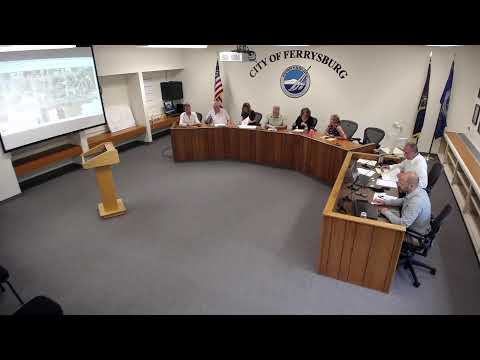
Commission debates 3‑ versus 4‑story limits as staff outlines downtown housing recommendations
Summary
Planner David presented block‑by‑block recommendations to expand downtown housing (multifamily, mixed‑use, and targeted taller buildings). Commissioners generally supported housing but expressed caution about four‑story buildings and urged incentives for residential components and design controls.
Planner David presented part one of a multi‑part review of downtown housing opportunities, laying out nine recommendations and walking the commission through four downtown subareas with tailored guidance on height, setbacks, parking and frontage.
David told the commission the aim was to "review and assess the sub areas and determine the appropriate building use and dimensional requirements" so changes would be block‑by‑block rather than broad‑brush. The staff proposed three initial actions: allow multifamily housing in commercial/service/core commercial zones, permit mixed‑use development with commercial at street level and residences above, and consider targeted allowance or incentives for four‑story buildings in select core areas to encourage additional dwelling units.
Commissioners voiced a mix of support and concern. Commissioner Holly said, "I am leaning towards not wanting 4 stories," noting the city’s current character and limited examples of taller buildings. Other commissioners suggested allowing a fourth story only when it includes residential units or using a planned unit development (PUD) route to retain design control. Several commissioners emphasized the need to preserve small‑town character, require fire‑department review for taller buildings, and consider incentives for affordable units in appropriate locations.
Why it matters: The recommendations aim to expand the city’s housing supply and affordability by enabling denser development downtown while using subarea‑specific rules to address visual character, parking, views, and access. Staff noted waterfront parcels and active industrial sites (e.g., Johnson Boiler) may require long timelines and rezoning before redevelopment can occur.
Next steps: Staff will refine zoning recommendations and consider commissioner feedback (height limits, incentives for residential components, and possible PUD language) as part of subsequent ordinance drafting and public engagement.