Get Full Government Meeting Transcripts, Videos, & Alerts Forever!
Get email alerts on the Water Preservation topic
No spam. Unsubscribe anytime.
Residents press county to add climate and aquifer protections during water‑use element hearing
Summary
At a public hearing on the county's water‑use and preservation element, Planning Director Andrew Jackson said conservation and non‑potable sources can cover much of projected growth, while multiple residents urged explicit climate‑change language and protections for sole‑source aquifers.
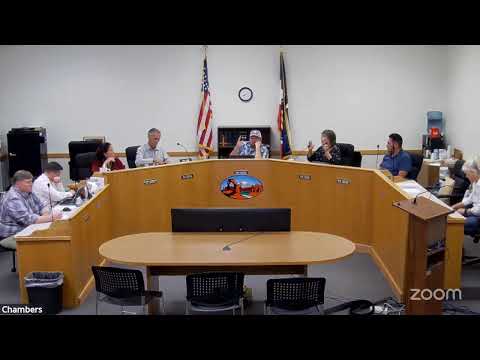
Planning and zoning director Andrew Jackson opened the water‑use and preservation public hearing on July 7 by saying the element is a policy document required by state law and is intended to limit future water demand through conservation and alternative supplies.
"About three of every five gallons of water our valley uses goes not to our taps but to the outdoors," Jackson said, framing the element as a demand‑management plan. He said the county's per‑capita use already sits near the state target for 2030 and that conservation, leak repairs and non‑potable supplies are the least‑cost options compared with importing Colorado River water.
Public commenters pushed for stronger protections. Allison Mathis and others said the draft omits climate‑change language and overestimates the viability of Colorado River transfers; residents urged explicit protections for Castle Valley and Glen Canyon sole‑source aquifers and asked the commission to require coordination with local water providers.
Pam Hackley and other commenters submitted proposed amendments asking the county to incorporate climate science and to tie the element more closely to providers’ conservation plans. Jackson said the planning commission recommended the element and staff would accept written comments through mid‑July; any code or plan changes will proceed via the planning commission hearings required by statute.
The hearing remained open for written comment; commissioners asked staff to publish a redline and to provide a schedule for when hearings and public workshops would be available for additional public input.