Get Full Government Meeting Transcripts, Videos, & Alerts Forever!
Get email alerts on the Workplan Schedule topic
No spam. Unsubscribe anytime.
Charter review subcommittee adopts tighter schedule, urges volunteers to trim proposals for July ballot
Summary
The Clark County Charter Review Commission subcommittee recommended tighter intake and reading deadlines, time caps for readings and committee presentations, and voluntary deferral or consolidation of proposals so staffing and ballot deadlines (early July) can be met.
The Clark County Charter Review Commission work-plan subcommittee on March 10 refined a compressed schedule for processing proposed charter amendments and urged sponsors to volunteer to defer or combine proposals so the commission can finish voting in time for the July ballot.
Chair (speaking for the subcommittee) said the group’s priorities are “to refine the amendment process” and to set a schedule that the full commission can approve tomorrow. The chair outlined a three-part work plan—process, timeline and public outreach—and asked members to consider longer meetings and voluntary deferrals to relieve time pressure.
Commissioner Michelle LeBrant, a subcommittee member, urged that outreach be proactive: “we need to figure out a way to incorporate…actively soliciting ideas and input from members of the community,” she said, arguing the work plan should build in early and repeated opportunities for public input.
Members agreed on tight time caps for consideration of proposals. The subcommittee set a target of 5 minutes for first readings (to read the title and sponsor), about 15 minutes for second readings (including clarifying questions) and recommended 30 minutes for committee presentations and deliberations on more complex proposals. A presenter told members the technical submission deadline for intake materials will be noon on March 16.
The subcommittee is working from a large intake: the presenter reported roughly 30 forms submitted with a couple of withdrawals or temporary deferrals, and estimated that perhaps half to two-thirds could survive to the second reading. Because staffing and meeting time limit how many committee studies the body can support, members discussed an operational cap of about 12 committees; if more proposals qualify, the group agreed that priority would be given to proposals receiving the most votes at second reading.
To reduce the queue, members said they will ask sponsors at tomorrow’s full-commission meeting to volunteer to defer proposals to 2027 or to combine similar proposals. The subcommittee also discussed asking members to indicate which proposals they will actively support and to volunteer for subcommittees to help produce timely committee reports.
On logistics, staff said IT can provide three Webex accounts for remote subcommittee meetings and that office staff can support daytime remote sessions; the group discussed scheduling subcommittee meetings on a rolling basis as proposals pass the second reading.
The drafting subcommittee will produce final charter language for proposals that move forward and the group discussed retaining outside counsel to review final drafts for obvious legal errors. Members recommended using an RFQ to contract legal review and noted procurement thresholds (under $10,000 vs. RFQ requirements) will affect the process. The subcommittee proposed a June deadline for sending materials to drafting and identified July 8–15 as the window for final votes and for sending materials to the auditor.
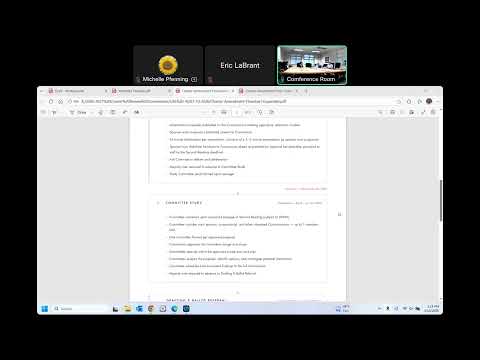
The subcommittee will present the work plan to the full commission at its next meeting; presenters agreed to circulate a PDF/HTML version of the proposed timeline and rules by noon before that meeting. The chair closed the session after confirming the items to appear on tomorrow’s agenda.
What happens next: the full commission will receive the subcommittee’s work plan; commissioners will be asked to approve longer meetings, to volunteer for presentation or to commit proposals for 2026 or defer them to 2027. If the commission approves the timeline, the subcommittee will begin scheduling second readings and committee presentations under the agreed time caps.