Get Full Government Meeting Transcripts, Videos, & Alerts Forever!
Get email alerts on the Budget topic
No spam. Unsubscribe anytime.
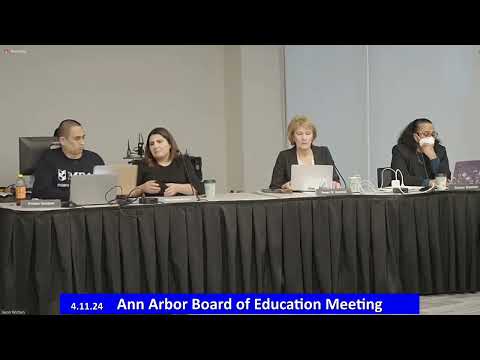
Ann Arbor board authorizes corrective plan that may include staff layoffs as district faces multimillion‑dollar shortfall
Summary
Facing a projected multi‑year shortfall, the Ann Arbor Public Schools board voted 4–3 to allow the superintendent to include possible staff reductions in the corrective action plan to the state, while also approving short‑term borrowing to cover June payroll if needed.
The Ann Arbor Public Schools Board of Education voted 4–3 to authorize the superintendent to include potential staff reductions in the district’s corrective action plan to the state as district leaders scrambled to address a multimillion‑dollar budget shortfall. Trustees also approved a resolution to issue notes in anticipation of state aid to meet immediate cash‑flow needs.
The vote follows a finance presentation in which the district’s finance director presented multi‑year scenarios showing a declining fund balance. He said current assumptions—moderate annual foundation allowance increases, about 105 fewer students per year and ongoing contract and health‑care inflation—leave the district at risk of repeated deficits unless it implements substantial reductions. The presenter said an immediate $25 million reduction would restore the district to the state’s 5% fund‑balance threshold sooner than phased alternatives and called that his recommended option.
“Ripping the band‑aid off,” the presenter said of the $25 million option, arguing it yields the best long‑term financial stability under the assumptions shown. Board members repeatedly questioned those assumptions (foundation allowance estimates, enrollment declines, and timing of vendor savings) and pressed for more granular cost figures from the administration during the meeting and at follow‑up engagement sessions.
Superintendent Chaz Parks acknowledged the public’s concerns and sought to clarify language that caused harm, saying, “None of our teachers, our staff, our students, none of our employees are the problem.” Parks and finance staff outlined about $7 million in identified non‑personnel savings to date (central‑office reductions, vendor renegotiations, categorical grant reallocations) and said that further reductions would be developed with staff and community input.
Trustees framed the April 15 state deadline and contractual notification timelines as driving urgency. Several trustees expressed reluctance about authorizing layoffs without more detail; others said the board has a fiduciary duty to demonstrate to state officials that it is taking action to remedy its finances. The motion approved authorizes the superintendent and district administration to include staff reductions in the corrective action plan if other savings cannot be found.
The board separately approved a resolution authorizing issuance of up to $35 million in state‑aid notes to cover near‑term cash needs, including June payroll; the finance presenter said the district would likely borrow less if cuts are implemented because savings are realized over time. The board was told the notes would be put out to bid in May.
What the board approved was an authorization, not a specific list of layoffs. Trustees and the superintendent said any detailed plan would return to the board for vetting before implementation and that administration will continue planned engagement meetings next week with staff, families and community stakeholders to shape the district plan.
Next steps: the superintendent will compile community and staff feedback from scheduled town halls and staff engagements and bring a more detailed corrective action plan back to the board before implementation. The state’s review timeline was discussed in the meeting; district officials said the state reviewing committee typically has weeks to respond after a plan is submitted and could request revisions or impose remedies if it determines the district is in financial distress.