Get Full Government Meeting Transcripts, Videos, & Alerts Forever!
Get email alerts on the Hospitality Tips Tax topic
No spam. Unsubscribe anytime.
Hospitality owner says no-tax-on-tips policy improved staff retention and pay
Summary
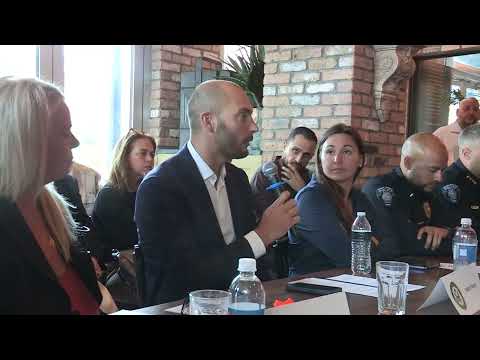
Andre Stern, owner of Oh Hospitality, told meeting organizers that eliminating taxes on tips and overtime helped his roughly 300 employees — about half tipped — by increasing take-home pay, reducing multiple jobs and boosting local spending, benefitting both workers and employers.
Andre Stern, owner of Oh Hospitality, told meeting organizers that eliminating taxes on tips and overtime has delivered practical benefits for workers and employers.
"It's helped our team for retention purposes," Stern said, adding the change put "more money in their pockets," which led workers to spend more locally and reduced the need for some employees to hold multiple jobs. "We've had team members that used to have multiple jobs ... because of the savings that they've been able to have with the no tax on tips and no tax on overtime, they can now have one job and spend more time at home," he said.
Stern framed the reform as unusually well thought out compared with typical policy, saying it "considers consequences" and provides tangible, practical support across the hospitality sector. He thanked organizers by name and described the policy as helping both staff and employers rather than favoring one side.
He provided scale for his remarks: his operations include two brands and about eight restaurants, with close to 300 employees — roughly half of them tipped workers — which he used to illustrate the policy's potential local economic effect.
Stern said the combined effects — higher take-home pay, improved retention and more family time for workers — also have secondary benefits for the local economy, as employees "have more money to spend in local businesses and grow the economy."
The remarks were delivered during the meeting's public remarks; the transcript contains no formal motions or votes related to the policy.