Get Full Government Meeting Transcripts, Videos, & Alerts Forever!
Get email alerts on the Medical Debt topic
No spam. Unsubscribe anytime.
Michigan committee hears bipartisan medical-debt package; supporters cite harm, industry warns of federal preemption
Summary
The Michigan House Health Policy Committee heard bipartisan testimony on bills that would standardize hospital financial-assistance (charity-care) rules, create sliding-scale discounts, and limit when medical debt appears on credit reports; supporters described crippling patient costs while the consumer reporting industry warned of conflict with federal law.
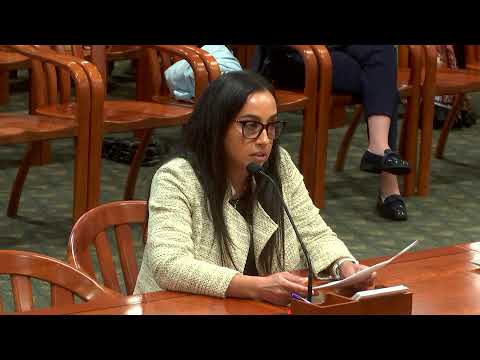
The Michigan House Health Policy Committee heard testimony on a bipartisan package of bills aimed at reducing the harms of medical debt and making hospital financial assistance more consistent and transparent.
Supporters, including Senate sponsors and patient advocates, said the package would require hospitals to adopt clear, income-based eligibility standards for financial assistance, offer sliding-scale discounts (up to 100% for uninsured patients at lower income bands), and bar routine reporting of medical debt to consumer credit reports except for a narrow, federally aligned mortgage-related exemption. Senator Anthony told the committee the bills are designed to ‘‘ensure financial resources reach people who need help the most’’ and to reduce long-term financial harm that can follow an episode of care.
Why it matters: Committee witnesses described medical debt as widespread and sometimes catastrophic. Ken Martin of the Hemophilia Foundation of Michigan told members that treatment for some bleeding disorders can cost hundreds of thousands of dollars annually and urged lawmakers to protect ‘‘nearly 700,000 Michiganders who carry medical debt.’’ Dr. Manal Patel, a researcher at the University of Michigan School of Public Health, said inconsistent hospital charity-care practices leave patients exposed and cited other states’ experience that stronger rules have reduced lawsuits and credit reporting without evident harm to hospital finances.
Opponents focused on legal risks. Zachary Taylor, director of government relations for the Consumer Data Industry Association, said provisions in Senate Bill 451 that would bar medical-debt reporting conflict with the Fair Credit Reporting Act (FCRA) and cited recent CFPB guidance and court decisions that, in his view, create a strong preemption risk for state laws that alter the content of consumer reports.
Committee members pressed sponsors on several technical points. Representatives asked how the proposed medical-debt relief fund would be administered and who would receive money; sponsors said the bills are designed to have no direct fiscal impact on state departments and that any administrative costs would be covered from existing appropriations. Members also pressed how the bills incorporate recent federal guidance; sponsors said they revised the draft to align with late-2025 federal guidance and pledged to supply the committee with the specific legal language used to do so.
Key details from testimony: sponsors described eligibility tied to income levels (sponsors referenced a 350% of federal poverty level anchor used in other states); hospitals would determine the precise sliding-scale implementation; the credit-reporting restriction was described as ‘‘narrowly focused’’ and aligned with federal guidance; and one bill would cap certain interest and bar aggressive collection tactics for qualifying debtors.
What happened next: Committee members asked for the sponsors to provide the statutory language and federal guidance references they used to shape the draft. The committee did not vote on the medical-debt package during this session; testimony will remain part of the record as the sponsors continue to refine the bills.
Representative and witness quotes used in this article are drawn from the committee transcript and are attributed to the speaker who introduced them at the hearing.