Get Full Government Meeting Transcripts, Videos, & Alerts Forever!
Get email alerts on the Mobile Food Ordinance topic
No spam. Unsubscribe anytime.
Council advances first reading of consolidated mobile food facility ordinance and zoning changes
Summary
Long Beach moved forward with a consolidated ordinance to regulate mobile food facilities (food trucks), including a new chapter consolidating rules, park parking-lot pilots, a dedicated coordinator, enforcement tools and proposed zoning amendments to allow mobile food operations on private property with commissary requirements; council asked staff to refine meter-time limits and enforcement details.
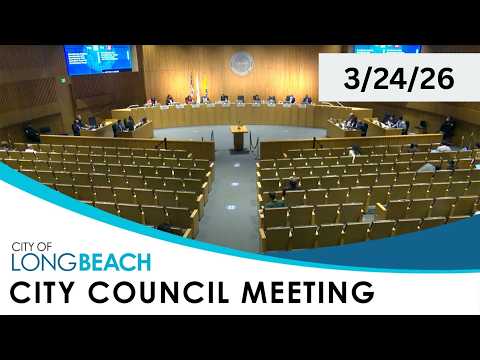
The Long Beach City Council advanced a first reading of a consolidated mobile food facility ordinance and related zoning amendments on Tuesday, sending staff back to refine operating hours, meter-time limits and enforcement approaches.
Staff framed the ordinance as a consolidation and modernization of the city’s approach to food trucks, folding prior provisions into a new chapter (proposed 5.37) and aligning related health and parking-code changes. Grace Yoon, appearing for staff, said the proposal followed extensive community engagement — more than 2,000 survey respondents and multiple stakeholder sessions — and added definitions, a parks parking-lot pilot, and an event category for short-term private-property gatherings.
The ordinance would allow the city to designate parking spaces for mobile food facilities, establish a dedicated mobile-business coordinator to help operators navigate permitting, and add an implementation plan that includes a Go Long Beach reporting tool for complaints and a cost-recovery mechanism for repeated enforcement actions. “Regulations need to be tied to public health, safety, or welfare in order to hold up legally,” the presenter said, summarizing relevant court precedent.
Council debate focused on how to balance operators’ viability with neighborhood impacts. One councilmember said the current 4-hour cap in metered stalls could harm operators and asked staff to explore extending that to 8 hours in some entertainment districts. Staff clarified that doubling a metered fee is already a benefit in the draft and that any change to the cap would be a policy decision returned to council. Several members also pressed staff on enforcement, asking for clear complaint pathways and an operational plan for late-night problem areas where trucks have been operating beyond permitted hours.
Operators and restaurants testified during public comment. Restaurant managers said food trucks at the Pike sometimes occupy metered stalls needed by brick-and-mortar businesses, while food-truck owners argued the 4-hour limit and other operating constraints underestimate the work involved. “4 hours is not enough,” one operator said, urging an 8-hour allowance to account for long prep and clean-up cycles.
Council also heard a companion zoning amendment hearing that would allow mobile food facilities on private property where restaurants are permitted and add a commissary definition and accessory/standalone commissary rules (Title 21/22 changes). Staff noted additional Coastal Commission filings would be required for limited beach parking-lot changes (Granada and Shoreline locations) and recommended CEQA exemptions for the zoning technical amendments.
The council carried motions to receive presentations and to continue with the ordinance process while directing staff to return with clarifications on meter-time caps, operating hours in entertainment districts, enforcement details and private-property operating standards. Final adoption will require subsequent readings and votes, and staff said it will continue education and outreach to operators ahead of enforcement.