Get Full Government Meeting Transcripts, Videos, & Alerts Forever!
Get email alerts on the Family Law topic
No spam. Unsubscribe anytime.
Appeals court considers challenge to termination of parental rights and post‑termination visitation for a child with special needs
Summary
A father asked the Appeals Court to vacate a juvenile‑court order terminating his parental rights—arguing the record lacks evidence the child (a 10‑year‑old with moderate–severe ASD) is adoptable—while the department and child counsel defended the trial court's findings that termination served the child's need for permanency.
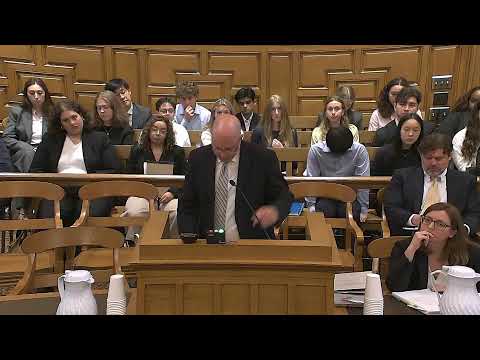
Alan Campbell, representing the father in a contested adoption/termination appeal, argued the juvenile court lacked sufficient evidence to find the child's adoption was likely and therefore should not have terminated parental rights. Campbell said the child is a 10‑year‑old with moderate–severe autism spectrum disorder who has been institutionalized and that DCF presented no findings on adoptability for this particular child; he urged remand for further factual findings or an order preserving post‑termination contact.
Zachary Edelman, for the department, replied that the juvenile court reasonably exercised its discretion based on the record of parental relapses, missed visits and a detailed adoption plan; Edelman said the department had documented the child's progress in placement and that the department continues active family‑recruitment efforts.
Child counsel Peter Heffernan asked the panel to affirm, arguing the trial judge’s best‑interest and fitness determinations were supported by clear and convincing evidence and that vacating the termination would risk delaying permanency and hindering recruitment of adoptive families.
The panel questioned counsel about whether the record contained sufficient evidence of adoptability and about whether the father's failure to raise specific adoptability objections below limited appellate review. The court took the case under advisement.