Get Full Government Meeting Transcripts, Videos, & Alerts Forever!
Get email alerts on the Criminal Appeal topic
No spam. Unsubscribe anytime.
Appeals court hears claims of juror bias, improper restraining‑order evidence and missing instructions in youth’s trial
Summary
In an appeal raising multiple trial‑error claims, counsel argued a scowling juror, unredacted restraining‑order testimony and ambiguous text‑message evidence combined to prejudice the juvenile's trial; the Commonwealth defended the verdict and disputed the scope of the alleged errors.
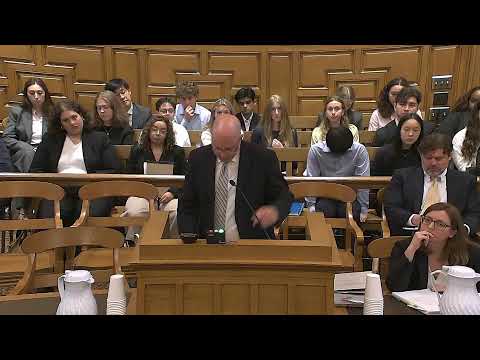
Margaret Carlin, representing the juvenile appellant, told the court that a report of “juror number 82… scowling at the juvenile” should have prompted the trial judge to conduct an inquiry, and that the judge’s failure to investigate created a for‑cause bias issue. Carlin said the error was compounded when evidence from a restraining‑order proceeding and unredacted video recordings were shown to the jury, magnifying prejudice where credibility was central.
Carlin also pressed that text messages admitted at trial lacked sender and date information and that the court should have given specific unanimity and mens‑rea instructions before the jury considered some counts. She argued the jury could have relied on a jumble of events and messages without knowing which facts supported which counts.
Kristen Jang and other Commonwealth counsel acknowledged some contested evidentiary rulings but argued the verdict slips and the prosecutor's closing tied specific incidents to specific counts. Jang said the stalking charge presented a close instruction question but that the evidence (texts plus testimony) supported the jury's verdict and that the record did not show a substantial risk of a miscarriage of justice from the instructions given.
The panel extensively questioned both sides about what the record and the verdict slips showed and about standards for redaction under wiretap and hearsay law. The court took the matter under advisement.