Get Full Government Meeting Transcripts, Videos, & Alerts Forever!
Get email alerts on the Infrastructure topic
No spam. Unsubscribe anytime.
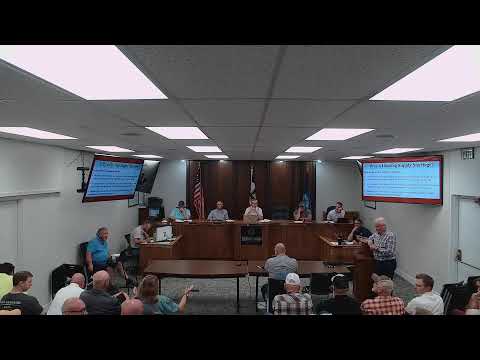
Residents press city on infrastructure, impact fees and affordable housing goals
Summary
Residents at a Tremonton forum pressed presenters and the mayor on whether infrastructure and impact‑fee policies will cover sidewalks, roads and school safety for planned growth, and asked what specific affordable‑housing goals the city will adopt.
Residents used the open forum after a housing task force presentation to press officials on concrete local impacts of growth: who pays for sidewalks and off‑site improvements, whether existing roads can handle new subdivisions, and what the city’s affordable housing goals will be.
Several attendees asked whether impact fees pay for sidewalks that connect new subdivisions to existing neighborhoods. A resident asked specifically if impact fees “cover sidewalks going out to those developments,” saying sidewalks within a subdivision are sometimes built but external connections remain missing. John Drew and other presenters said impact fees are generally calculated to cover the infrastructure associated with new development, but that funding for sidewalks to connect an isolated subdivision to the broader city may be a separate budgeting issue the city would need to address.
Because state code governs impact fees, Drew explained the calculation process: an engineering assessment of required public improvements followed by a financial analysis to allocate per‑unit fees so that existing local taxpayers are not unduly burdened by new development costs. Presenters said developers typically pay impact fees at approval and then build required infrastructure to city standards before dedicating improvements to the city.
On local authority, presenters cautioned state law constrains a city’s ability to block growth indefinitely; Milne noted moratoria are often limited to an initial six months (with limited extensions) and that state preemption can limit municipal discretion.
Residents also raised traffic and school‑safety concerns on 10th North and nearby routes, recounting past petitions to school officials to change bus stops for safety and asking whether new developments would worsen existing congestion. Another attendee pressed for specifics on Tremonton’s affordable housing plan: what targets, where units would be located, and who would fund low‑ and moderate‑income housing. The forum included no vote or policy adoption; presenters and the mayor said those are questions for upcoming planning and budget discussions.