Get Full Government Meeting Transcripts, Videos, & Alerts Forever!
Get email alerts on the Land Use Pud Training topic
No spam. Unsubscribe anytime.
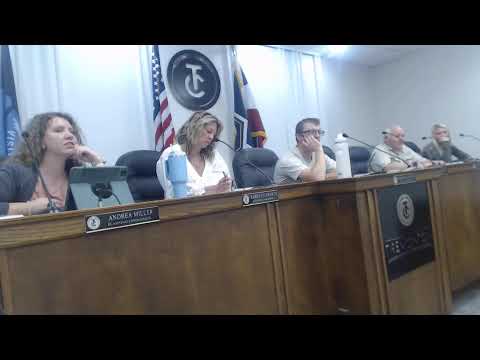
New Tremonton zoning administrator trains planning commission on PUDs, legislative vs. administrative decisions
Summary
Christine Lang, Tremonton's new zoning administrator, briefed the planning commission on the difference between legislative and administrative land-use actions, the purpose of a land-use plan and how planned unit developments (PUDs) fit into the city's code; commissioners pressed for clearer procedures around PUD timing, water capacity and developer commitments.
Christine Lang, Tremonton's newly hired zoning administrator, told the Planning Commission that her job is to coordinate code enforcement and to act as a liaison between developers, the Development Review Committee (DRC) and the commission.
"The zoning administrator takes care and make sure that we're following zoning," Lang said, explaining she is currently part-time while the city seeks a full-time planner. Lang said most of her slides came directly from a handbook and the Utah State Code and that the presentation counted toward commissioners' required training hours.
Lang emphasized a legal distinction she said commissioners must apply: legislative actions (zoning changes, ordinance amendments and general-plan changes) are decided by elected bodies and allow broad discretion, while administrative or quasi-judicial actions enforce existing code and must be supported by "substantial evidence" in the record. "Public clamor is not substantial evidence," Lang said, noting citizen comments, petitions or social-media campaigns cannot alone justify an administrative denial.
On planned unit developments, Lang said PUD overlays change base zoning and density and therefore must go through the legislative process. She pointed to the city's code (chapter 1.33) for PUDs and said the commission should decide whether PUD review should occur early as a concept or at the same time as a final development agreement. "If they get their bonus density, they don't have to add the extra water towers even if they say they do," Lang noted, stressing that promises to provide infrastructure must be put in enforceable documents to bind developers.
Commissioners pressed Lang on the timing of PUD approvals and possible harms of "soft approvals." One member said approving a PUD early can raise hopes and lead to frustration if the project later fails technical review; Lang responded she will consult the city attorney on whether the PUD concept should be approved first or together with a binding development agreement.
Lang also urged the commission to update and align the land-use plan and zoning code to reduce ad hoc, lot-by-lot changes. She said the city has sought a grant (about $80,000) from UDOT to support plan updates and noted staff will pursue studies on public-works implications before presenting zoning changes.
The commission took a voice vote earlier in the meeting to approve the minutes and later moved to adjourn after the public-comment period. No ordinance votes were taken at this session; Lang said she will return with more detailed process recommendations and any legal advice the commission requests.
Next steps: Lang told commissioners she will provide advance notices of upcoming legislative items and gather water and public-works information before sending zoning proposals back to the commission.