Get Full Government Meeting Transcripts, Videos, & Alerts Forever!
Get email alerts on the Land Use Planning topic
No spam. Unsubscribe anytime.
City planner outlines months-long review of Tremonton mixed-use code; neighborhood group offers outreach help
Summary
The Tremonton Planning Commission began a structured review of a proposed form-based mixed-use development code; the city planner estimated a 7–8 meeting review cycle and the Neighborhood Partnership Initiative offered to educate residents and coordinate feedback.
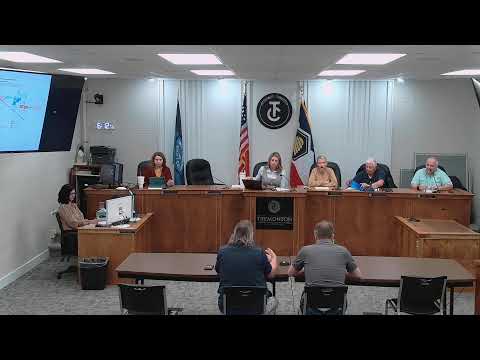
The Tremonton Planning Commission opened a new-business discussion on a proposed mixed-use, form-based development code, with the city planner, Jeff, asking the commission for measured, chapter-by-chapter feedback over a multi‑month process.
Jeff, the city planner, told commissioners the draft is largely new but based on a state regional template and is intended to replace two existing chapters: the commercial/industrial chapter and the current mixed-use provisions. "This is all new," he said, adding that the framework adapted elements from a template offered by the Bear River Association of Governments and other regional examples.
The planner outlined how the code is meant to guide redevelopment along Main Street and to better blend industrial, commercial and residential uses. He said form‑based rules regulate building placement, street interaction and architectural character, not just aesthetics, and recommended the commission use real-world examples to test the code's intent. "A very close resemblance would be Main Street in Bountiful," he said.
Commissioners and staff discussed process and access. The planner said the full draft is large and currently shared via OneDrive; he agreed to provide chapter summaries and examples before meetings so commissioners can prepare. He estimated the review would take "7 to 8 meetings," likely meeting monthly to allow time for homework, and asked that the commission focus on vision-level items rather than getting lost in technical minutiae.
Public engagement was central to the conversation. Christine Epling, representing the Neighborhood Partnership Initiative, used her public-comment time to report that NPI meetings have had "10 to 30 people at every meeting" and offered to present high-level summaries to neighborhood directors and gather public feedback. She encouraged the commission to use NPI as an education conduit ahead of formal hearings.
Commissioners asked practical questions about how neighborhood feedback would be collected, whether commissioners should attend neighborhood meetings, and how to avoid multiple, conflicting draft versions circulating. The planner supported distributing a concise staff summary to neighborhood councils while keeping the master draft accessible centrally, and he said consultant Sam Taylor would continue advising the city as staff transitions proceed.
On procedural items, the commission approved the Jan. 27, 2026 minutes by voice vote and later moved and seconded to adjourn; the transcript records voice approvals but does not contain a roll‑call tally.
The commission did not vote on the code tonight; members agreed to a phased review, with staff to supply chapter highlights, illustrative examples, and a proposed schedule. The planning commission will receive more materials and is expected to reconvene for the next scheduled meeting to continue the chapter‑by‑chapter review.