Get Full Government Meeting Transcripts, Videos, & Alerts Forever!
Get email alerts on the Budget topic
No spam. Unsubscribe anytime.
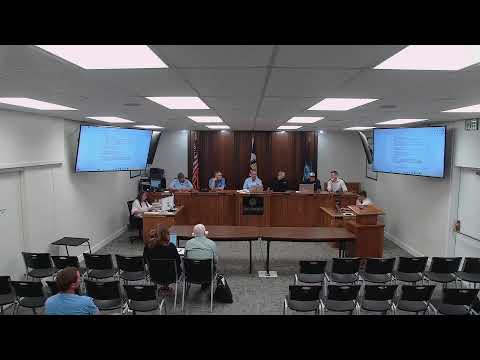
Tremonton council debates using $500,000 surplus to fund police vehicle replacements amid questions over long-term sustainability
Summary
City staff recommended setting aside roughly $500,000 from the general-fund surplus to replenish police vehicles and seed other capital needs; councilors pressed for more conservative revenue projections and urged updating the city's general plan before committing to recurring transfers.
Curtis, the city finance lead, told the Tremonton City Council the operational budget shows a year-end surplus of about $506,145 before capital transfers, but that figure would be largely consumed if the council sets aside $500,000 now for vehicle replacement. "That bottom very bottom right corner, 506,145 thousand," Curtis said while walking the council through the spreadsheet.
The staff proposal would allocate roughly $400,000 of that sum to a dedicated police vehicle fund and $100,000 to other replacement needs. Supporters argued the transfer starts a routine replacement schedule and prevents a larger spike in future capital demands; critics said it would leave little discretionary funding for parks, roads and other priorities.
"We can't continue to go this direction," one council member said during debate, warning that repeated use of growth dollars for operations has left the city underfunded for long-term needs. Several councilors urged conservative treatment of revenue estimates. Lindsay, part of the finance team, noted the county's property-tax growth calculation was not yet finalized: staff is projecting $3.36 million in property-tax revenue but has not received the formal growth calculation.
The discussion also reviewed tools the council could use in the coming years, including a truth-in-taxation hearing to allow incremental adjustments and impact fees tied to specific capital projects. Jeff Seedall and other staff reminded the council that subdivision processes and PUD (planned-unit development) agreements could require developers to fund certain infrastructure, but those are separate and contingent steps.
Staff also reported a fraud-risk assessment score of 355 out of 395, placing the city in a low-risk category, and flagged several capital items that need budget authorization, including the Midland Park work tied to an RDA grant.
What happens next: staff will prepare a refined final budget for the council's next meeting that incorporates more precise county calculations and presents options — including smaller transfers, additional cuts or a phased plan — so the council can weigh short-term capital needs against long-term fiscal stability.