Get Full Government Meeting Transcripts, Videos, & Alerts Forever!
Get email alerts on the Animal Keeping topic
No spam. Unsubscribe anytime.
Planning Commission approves conditional use permit allowing local petting zoo to keep camels in Henderson
Summary
After an extended public hearing, the Henderson Planning Commission approved a conditional use permit for a long‑running mobile petting zoo, allowing the operator to keep camels and other animals at a rural‑residential site on North Pueblo Boulevard; the decision was unanimous and is final unless appealed.
The Henderson Planning Commission voted to approve a conditional use permit that allows a longstanding mobile petting zoo to keep camels and other animals at a rural‑residential property on North Pueblo Boulevard.
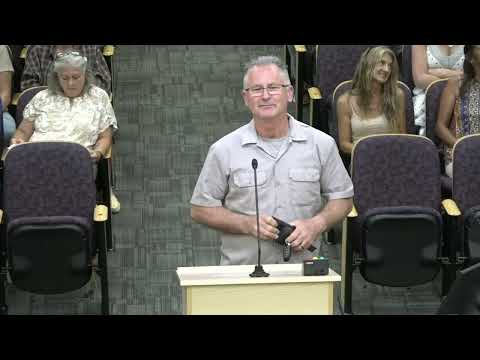
The permit, CUP 2026018261, was requested by Nancy Roas, who said she has operated the mobile petting‑zoo and pony‑rides business in Henderson since 1997 and first brought a camel to the city in 2013. Roas told the commission she has not received neighborhood complaints, that the site has passed semiannual animal‑control inspections for more than a decade, and that camels are domesticated animals used worldwide for work and education. "If you can keep a horse or a cow here, you should be able to keep a camel," she said.
Staff recommended approval, noting recent municipal code changes that allow increased animal counts for established rural‑neighborhood operations and that the applicant’s site has an established on‑site animal‑keeping setup. The staff report also referenced state and county guidance: Nevada Administrative Code 503.14 (cited by the applicant) and Clark County listing camels as livestock were discussed during testimony; staff emphasized conditions to protect public health and animal welfare.
Several residents and community partners spoke in support. Caitlin Kovar, program director of the veterinary technology program at Pima Medical Institute, said Roas’s animals are essential to her program and urged the commission to "please vote yes, to grant this conditional use permit." Neighbors and frequent event attendees described educational and therapeutic benefits for children and vulnerable populations; an 11‑year‑old commenter, Olive, urged the commission "please don't bump his hump and keep Moe and Hen down," referring to a beloved camel.
Opposition was limited — staff reported two letters in opposition and two members of the public raised concerns during the hearing — but the bulk of testimony described long‑standing community benefit, regular inspections, and stewardship by the operator. The applicant cited federal classification issues (a USDA classification that groups camels with wild/exotic species) and said state and county rules treat camels differently than prohibited wildlife.
Commissioners praised the decades‑long community relationship and the substantial public turnout in support. Commissioner Beeson moved to approve the CUP "subject to findings of fact, conditions, and modifications," and Commissioner Dennis Vasquez seconded the motion. The commission approved the permit by voice vote.
The permit was approved with the findings, conditions and any code modifications noted by staff; the decision will be final unless appealed to the City Council or another reviewing body.