Get Full Government Meeting Transcripts, Videos, & Alerts Forever!
Get email alerts on the Property Tax Reassessments topic
No spam. Unsubscribe anytime.
Allegheny County holds first public hearing on proposal to require reassessments every three years
Summary
Council members and experts argued that mandatory triennial reassessments would improve equity and reduce costly appeals, while some residents warned of 'sticker shock' for long-term homeowners; the hearing collected testimony and public comment but produced no council vote.
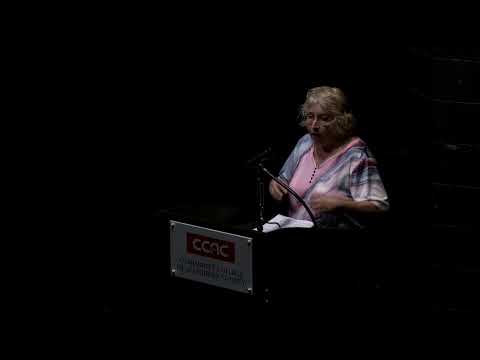
Allegheny County Council convened a public hearing at the CCAC South Campus to gather public input on proposed legislation that would require countywide property reassessments every three years.
Chair Suzanne Filiacci opened the session and said the four-session series is intended to inform council and the public; written comments will be accepted through July 10. Council member Bethany Howe gave an “assessment 101” overview, saying Pennsylvania does not mandate regular reassessments and explaining the common level ratio (CLR) that compares assessed to market values. Howe said the county’s CLR has fallen to roughly 50.45, and she emphasized that state law requires reassessments to be revenue neutral so millage rates adjust to offset aggregate value changes.
Dan Grisbeck, the bill’s sponsor, told the hearing the proposal would mandate countywide reassessments on a three‑year cycle to align assessed values with market values and reduce the incentives for selective appeals. Grisbeck outlined the Long Term Owner Occupancy Program (LOOP), which he said would limit the size of assessment increases for homeowners who have lived in their residences at least 10 years and meet income thresholds, and said the program is intended to protect low- and moderate-income long-term owners from abrupt tax increases.
Brenna Crabill, introduced as president of the Mount Lebanon School District school board, testified that irregular reassessments have squeezed school budgets. Crabill said her district relies heavily on local property tax revenues (she reported 77% of district revenue is local and 64% comes from real estate taxes) and presented a recent rise in refunds to taxpayers after appeals tied to CLR changes. Crabill urged council support for the legislation (she referenced bill number 13892-26) to create a more predictable tax base for school districts.
Jack Billings of Pro Housing Pittsburgh said regular reassessments are a fairness and governance reform: they would reduce appeals, administrative waste and market distortions. Billings offered cost comparisons for reassessment approaches, noting traditional field-based reassessments have previously been estimated in the tens of millions while automated, computer-assisted methods and open-source approaches could bring annual costs far lower. He said both academic letters and cost estimates have been submitted for the record.
Public comment showed clear divisions. Several speakers supported the proposal as a way to make taxation fairer and more transparent; they urged prompt council action. Other residents, including Emily Peck, opposed triennial reassessments, warning that frequent reassessment could generate sudden tax increases that would burden seniors and long-term homeowners; Peck suggested preserving 2012 values for owners who held property then. Council members encouraged anyone who could not attend to contact council staff or their representative to make their views known.
No vote on the legislation was taken at the hearing. Council members and staff said the session was intended to gather evidence and public input as the bill moves through the council process; letters and supporting documents referenced during testimony will be added to the record.
What’s next: the council will accept written comments through July 10 and may schedule follow-up hearings or committee work as it considers the proposed ordinance.