Get Full Government Meeting Transcripts, Videos, & Alerts Forever!
Get email alerts on the Youth Mentoring topic
No spam. Unsubscribe anytime.
Friends of the Children Detroit asks state for $500,000 to expand long‑term mentoring
Summary
Friends of the Children Detroit asked the House appropriations subcommittee for $500,000 to support its paid, long‑term mentoring model serving youth referred by DHHS, foster care and schools. Executive Director Deshawn Brown outlined outcomes data and said the program costs about $26,000 per child.
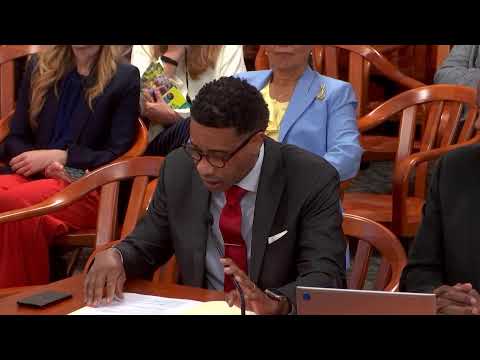
Representative Scott introduced a legislative directive spending request for Friends of the Children Detroit asking for $500,000. Deshawn Brown, executive director, told the committee the chapter is the only Michigan affiliate of the 30‑year national nonprofit and that mentors serve children from kindergarten through 12th grade with salaried, degreed professionals.
Brown described the model as intensive and long term, saying "for every dollar invested in Friends of the Children, communities see more than $7 in social return in cost savings," and cited program outcomes the organization tracks: 83 percent of participants earn a high school diploma or GED and 92 percent go on to postsecondary education, military service or the workforce.
Committee members asked how the requested funds would be spent and whether the program is sustainable. Brown said the organization charges no fees to families and estimated the per‑child cost at about $26,000, covering in‑school academic support, out‑of‑school enrichment, supplies and transportation. He said the Detroit chapter raises philanthropic and corporate support in addition to state dollars and called the model sustainable based on six years of local operations and a national evidence base.
Brown also confirmed Friends of the Children received $500,000 in state funding last year. Lawmakers pressed on sustainability beyond a single appropriation; Brown reiterated fundraising is a core part of the chapter’s operating model and said private donors and foundations supplement state support.
The presentation closed with committee members thanking the witnesses and noting additional budget questions may follow as the appropriation process continues.