Get Full Government Meeting Transcripts, Videos, & Alerts Forever!
Get email alerts on the Municipal Budget topic
No spam. Unsubscribe anytime.
Ferrysburg unveils early 2026–27 budget priorities; water-rate rise and staffing proposals on the table
Summary
City staff presented a preliminary 2026–27 budget showing tight fund balances and proposed adjustments including a 7.7% increase to the water ready-to-serve charge, a proposed 3.2% overall wage increase, equipment replacement priorities (pumper ~$650,000; dump truck and chipper), and consideration of a shared part-time code enforcer position.
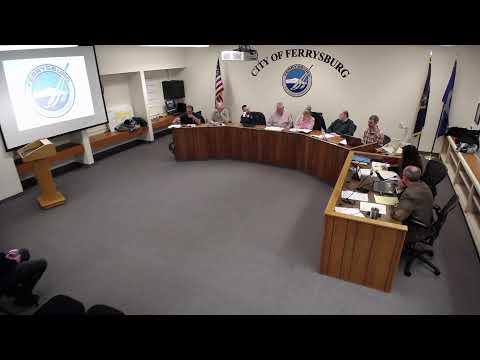
City management presented an initial draft of the proposed 2026–27 budget and the capital improvement plan at the March 16 work session, flagging a lean multi-year outlook and a set of prioritized equipment and service requests.
Craig (city manager) told council the capital list included a pumper replacement potentially costing around $650,000, replacement of an aging dump truck and the 25‑year‑old chipper in a later year, and routine investments in City Hall improvements and IT replacements. He also noted the city’s public improvement fund balance and multi-year projections, and explained how those balances are sensitive to the street‑millage outcome.
On utilities, staff proposed raising the water ready-to-serve charge to $21.35 (a 7.7% increase, about $1.40 per quarter), citing operating losses driven in part by depreciation. Craig said the sewer fund remains strong with over $1 million in cash, while the water fund balance is smaller (about $350,000). He said larger unexpected system failures could require borrowing or interfund loans if costs exceed reserves.
On personnel, staff proposed a 2.7% cost-of-living increase plus a 0.5% wage increase (about 3.2% total), an additional public-works on-call pay increment, an increased eyewear allowance, and a proposal to jointly hire a seasonal code enforcer with a neighboring village on a 50/50 cost basis. Craig said the code-enforcer role would help with prompt enforcement of code and zoning violations.
Council asked questions about depreciation impacts on operating results, options to scale capital work if street millage proceeds or fails, and whether other funds might be tapped for park match dollars; staff committed to returning with more detailed fund scenarios and refined estimates.
Next steps: Staff will revise the budget presentation with additional fund-balance scenarios and return to council in future meetings for formal adoption.