Get Full Government Meeting Transcripts, Videos, & Alerts Forever!
Get email alerts on the Mwbe Main Streets topic
No spam. Unsubscribe anytime.
SMOBAD reports $137M in confirmed MBE/WBE payments in FY25; Main Streets program seeks more stable funding
Summary
SMOBAD Director Chris Lundy told the board the city confirmed over $137 million in payments to MBEs/WBEs in FY25 after moving to an electronic B2G platform and that FY26 through three quarters exceeds $150 million; board members questioned Main Streets staffing and proposed per‑Main‑Street funding.
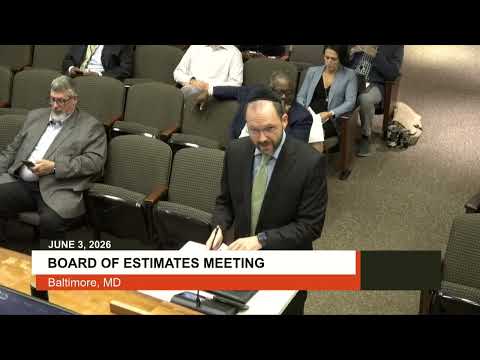
SMOBAD Director Chris Lundy presented the office’s FY25 annual report to the Board of Estimates on June 3, saying the city confirmed more than $137 million in payments to certified minority‑ and women‑owned businesses in FY25 and that, through three quarters of FY26, confirmed payments exceed $150 million.
Lundy credited the transition to a B2G digital platform for more accurate capture of payments to MBEs and WBEs. "This is really the result of our transition to B2G," he said, adding that confirmed payments are amounts both prime and subcontractors acknowledged receiving.
Deputies described outreach, certification processing and programs including a 10‑week speaker series, Catalyst Baltimore coaching and an annual Small Business Advancement Conference. Deputy directors said certification processing times averaged 22.3 days and highlighted multiple technical and marketing assistance efforts for small businesses.
Board members raised concerns about the Main Streets program’s staffing and capacity. The board president and others said many Main Streets need stable staffing and clearer direction; Lundy said per‑Main‑Street annual support in FY26 is $75,000 and the FY27 proposal is $77,250. He noted varying corridor conditions and flagged a plan to use a combination of city support and partnerships to scale the program.
The board noted the item; the administration said it will continue quarterly reporting and deeper agency‑level breakdowns once data collection under the new system is complete.