Get Full Government Meeting Transcripts, Videos, & Alerts Forever!
Get email alerts on the Flood Recovery topic
No spam. Unsubscribe anytime.
Kerr County recovery team says flood-warning system and river restoration need tens of millions more
Summary
Long-term recovery leaders outlined accomplishments since July 2025 and urged state and private support to finish a flood-warning system and environmental mitigation, estimating a $13M gap for sirens and an $84M broader recovery shortfall.
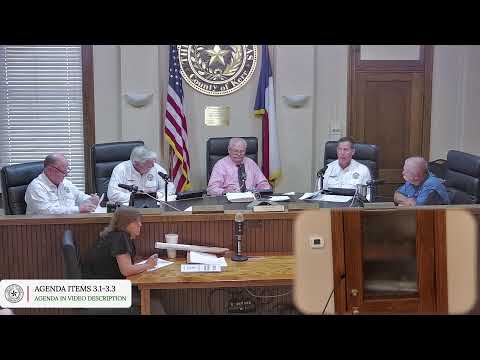
William Woodson, the senior consultant for the Care Together long-term recovery operation, told the Kerr County Commissioner's Court on June 8 that recovery from the July 4, 2025 flooding is "at halftime," with substantial progress on a flood-warning system dubbed RiverHub but still large funding gaps to finish the work.
The county has secured multiple funding sources including a Texas Broadband Middle Mile grant (about $14.7 million) and a $1.25 million award from the Texas Water Development Board, and the Upper Guadalupe River Authority has contributed reserves. Woodson said those contributions leave the project roughly 54% funded for a 20–30 siren system; he estimated a remaining capital shortfall of about $13.5 million to complete the flood-warning backbone and siren installations and a broader recovery funding need of roughly $84.4 million to cover emergency-response capacity, environmental mitigation, and other long-term projects.
Why it matters: Woodson emphasized that the county's geography—many remote valleys and campgrounds—requires a tailored, layered flood-warning approach that combines river gauges, cell coverage, and public education. He told the court that following guidance strictly could require as many as 134 sirens by a two-mile-radius formula, but engineers estimate a practical need of 20–30 sirens along the Guadalupe.
Woodson described other recovery priorities: building emergency-response capacity and modernizing the county EOC, conducting an environmental analysis and sediment-management program (estimated at $25 million), and pursuing policy changes to extend regulatory deadlines and improve communications with visitors and camp operators. He also highlighted community efforts: riparian plantings, bank stabilization, removal of more than 31,000 pounds of debris from high-contact recreation areas, and a new youth resilience corps funded by a $35,000 Rebuild Texas grant.
County reaction and next steps: Commissioners thanked the recovery team and discussed interoperability exercises and how philanthropic funds flow to local needs. The court and recovery leaders said they will continue seeking state legislative support and private philanthropy and asked the public to follow RiverHub for updates. Woodson asked the county to press for a targeted legislative ask to help close the identified funding gaps.
Attribution: Quotes and specifics come from William Woodson's presentation to the Commissioner's Court and related discussion during the June 8 meeting.