Get Full Government Meeting Transcripts, Videos, & Alerts Forever!
Get email alerts on the Animal Services topic
No spam. Unsubscribe anytime.
West Covina adopts ordinance requiring spay, neuter and microchipping; council to fund low‑cost services before enforcement
Summary
After extensive public testimony from shelter volunteers and rescue groups about shelter overcrowding, West Covina adopted an ordinance aligning with LA County code to require spay/neuter and microchipping, and directed staff to secure low‑cost providers before enforcement begins.
The West Covina City Council adopted an ordinance to require spaying and neutering of pets and mandatory microchipping, amending the city’s adoption of portions of the Los Angeles County animal control code to include previously excluded provisions. The ordinance was adopted after a public hearing that brought dozens of volunteers, rescue operators and veterinary advocates to the podium describing shelter overcrowding and the animal welfare rationale for mandatory measures.
Multiple speakers from local volunteer groups and rescue organizations recounted examples of animals lost to shelter overcrowding and urged passage. Speakers asked the city to pair any mandate with guaranteed low‑cost clinics and financial assistance for low‑income residents. Councilmembers pressed staff to identify low‑cost veterinary providers and to avoid issuing fines before residents have access to services.
City staff and a number of volunteer organizations said they are lining up low‑cost spay/neuter providers, grant opportunities and local clinic capacity. Council adopted ordinance 2,539 and added direction that enforcement of fines or penalties not commence until staff confirms available low‑cost services and conducts a public education and outreach campaign.
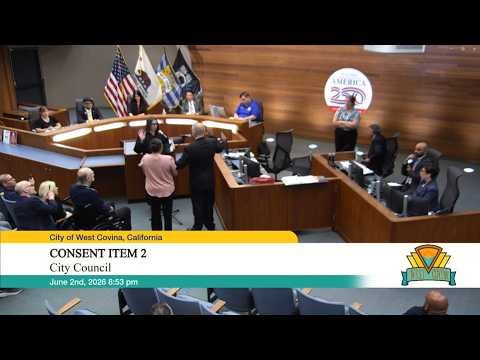
Vote: The ordinance was approved on the motion of Mayor Pro Tem Contos, seconded by Councilmember Wu; the motion passed unanimously on the roll call taken that night with council support and explicit direction to ensure access for low‑income residents prior to enforcement.
Next steps: Staff will publish a list of participating providers and outreach plans, and return with specifics on enforcement timelines and any subsidy programs the council can authorize.