Get Full Government Meeting Transcripts, Videos, & Alerts Forever!
Get email alerts on the Affordable Housing topic
No spam. Unsubscribe anytime.
Council delays vote on developer’s Born & Kenny preservation plan and tax‑pilot after extensive questioning
Summary
Penrose/Contour told the council it can preserve 205 affordable apartments at Born and Kenny with a developer‑led renovation and a PILOT/PTA‑style agreement; councilors pressed the developer on tenant protections, a roughly $8.4M underwriting gap, reporting and clawbacks and asked for more time—staff moved the item to the next work session.
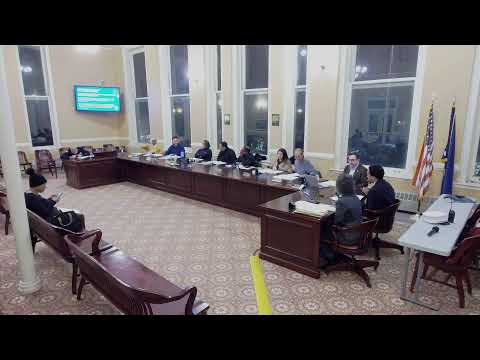
Penrose/Contour Housing Partners presented a preservation and rehabilitation plan for the Born and Kenny apartment complexes to the City of Newburgh Common Council on Jan. 22, asking the council to approve a payment‑in‑lieu‑of‑taxes (PILOT) pilot that would support financing and preserve deep affordability.
Penrose said the deal would stabilize and renovate both properties, preserve all 205 apartments as affordable and expand rental assistance in partnership with the Newburgh Housing Authority to approximately 140 project‑based vouchers. The developer representative told the council the federal affordability restrictions on the property are nearing expiration and that the project seeks a regulatory agreement so affordability runs with the land for an extended period; the team repeatedly cited experience managing large preservation projects and said they had submitted financing applications to New York State Home and Community Renewal and obtained Part 1 approval for historic tax credits.
"This project will ensure that all 205 apartments remain 100% affordable for at least an additional 40 years," a project lead said, describing renovation priorities that include roofs, boilers, windows, insulation, kitchens, bathrooms and common areas, and a goal of minimizing displacement through in‑place rehabilitation and the Uniform Relocation Act when temporary moves are required.
Councilors pressed the team on multiple issues: the proposed pilot term (discussed at lengths as 33 years in the draft), the developer’s enforcement and clawback mechanisms should milestones be missed, a reported underwriting gap of about $8.4 million, contingency plans if key state subsidies or tax credit pricing change, and concrete commitments to prevent long‑term neglect. Several members asked how the city could ensure tenants are not permanently displaced, how management will handle work orders and life‑safety repairs, and whether the project’s financial cushion is sufficient for large unknowns such as sewage or structural problems.
Penrose said monitoring will include HCR asset management, investor oversight, and written reporting obligations in the draft pilot; the firm also emphasized its on‑site property management model, 24‑hour virtual reception and a 10% hard‑cost contingency. The developer cautioned that financing remains competitive and that funding commitments would need to be locked in to begin construction; they said closing and construction were targeted for August 2026 if pilot and financing proceed on schedule.
New council members asked for more time and clearer written language about enforcement and tenant protections; Mayor Harvey and other members warned that delaying a vote could push timelines out and prolong residents’ poor living conditions. After discussion and a straw poll, staff agreed to move the pilot from the upcoming Monday meeting to the next work session so councilors could review the pro forma, regulatory agreements and the draft pilot in detail.
No final vote occurred during the Jan. 22 work session; staff said they will circulate outstanding materials and that the item will return for further council consideration.