Get Full Government Meeting Transcripts, Videos, & Alerts Forever!
Get email alerts on the Immigration Policy topic
No spam. Unsubscribe anytime.
Denver officers tell immigrant community they will not ask immigration status and urge reporting
Summary
In the Denver Police Department's Spanish-language outreach podcast, Officer Mar—da Hernandez Tapia and Lieutenant Abel Salas said officers will not ask about immigration status, described department policies restricting information sharing with federal immigration authorities, and urged victims and witnesses to report crimes; they also explained interpreter services and identification practices.
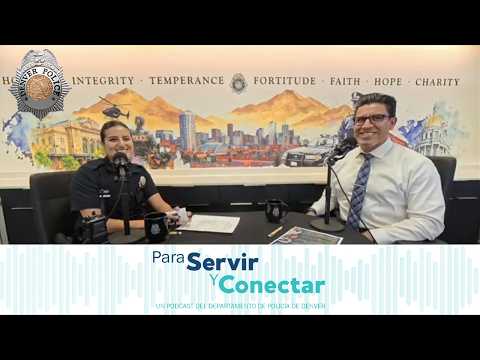
Mara Mara Mara María Hernández Tapia, who identified herself as a técnica and asked to be called "oficial," and Lieutenant Abel Salas told listeners on the department's first Spanish-language outreach episode that Denver police officers do not ask about a person's immigration status and will encourage victims and witnesses to report crimes.
"Nosotros no vamos a preguntar por su estatus migratorio," María said, adding that officers sometimes will ask to see identification "que tenga su nombre legal" so they know who they are speaking with.
The hosts said the practice is grounded in department policy and in legal limits on cooperation with federal immigration enforcement. "Estamos prohibidos nosotros, no solo por leyes estatales, pero también el departamento de Denver, nosotros tenemos nuestras propias reglas municipales," Abel said, explaining the department does not share victim, witness or suspect information with immigration authorities.
They told listeners that reporting by direct eyewitnesses and victims is essential to investigations. Using a neighborhood example they called "el chisme," the hosts said secondhand reports are less useful than an eyewitness who can identify a vehicle or suspect, and that such evidence helps build cases for the district attorney.
The hosts also emphasized that the department's policing focus is criminal conduct, not immigration status. "Nosotros lo que nos va a importar, ¿hay crimen o hubo crimen y qué podemos hacer?" María said. If a person commits a crime, the department will arrest or cite that person according to local law regardless of immigration status.
María said the department provides interpreter services when a caller or a person at a scene does not speak English, noting dispatch and in-field options: "El departamento de policía de Denver proporcionará un intérprete para ayudar el reporte... si no tenemos ese oficial que habla ese idioma... tenemos aplicaciones que podemos usar con nuestros teléfonos" and authorized phone interpreters.
The episode closed with a call for questions and feedback from the community and an invitation to greet officers in the neighborhood. The hosts described the podcast as a response to community requests to explain how the department works and to reduce fear among Spanish-speaking residents.