Get Full Government Meeting Transcripts, Videos, & Alerts Forever!
Get email alerts on the Budget Priorities topic
No spam. Unsubscribe anytime.
Council work group proposes draft budget priorities including courts, public defenders and replenishing reserves
Summary
The council’s budget work group presented a draft priorities memo asking the administration to prioritize municipal courts, fund public defenders to comply with state mandates, and begin returning contingency reserves to a 10% target by diverting 0.5% of budgeted expenditures; council members debated magnitudes and offsets before the statutory deadline in early July.
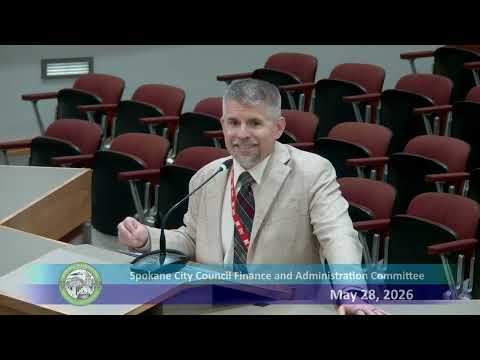
Chris Wright and Kate Fairborn presented the Finance Committee with a draft council priorities memo intended to give the mayor early guidance ahead of the fall budget.
The work group identified three headline priorities: municipal courts, increased funding for public defenders (tied to Washington State Supreme Court mandates to lower caseload ratios), and rebuilding contingency reserves. Kate said contingency reserves are supposed to be at a 10 percent target in the city code but were currently around 8 percent and proposed asking the administration to divert one‑half of one percent of budgeted expenditures to the contingency reserve account (a global 0.5 percent general fund reduction redirected to reserves) as one mechanism to start replenishing reserves.
On public defenders, the memo included a tentative dollar amount that the administration indicated it could accept; the work group said the city will likely need to increase funding for public defenders and related facilities as the state court mandates phase in.
Libraries were listed as another priority, with council staff and the work group still refining options for funding approaches, including whether to explore a ballot measure or smaller bridge funding.
Council members debated the usefulness of specifying magnitudes without full budget context and asked for more holistic framing — such as an itemized total for requested increases and suggested offsets — so the administration knows the scale of any asks. Staff noted the statutory requirement that a council priorities statement be provided by the first meeting in July and encouraged members to provide feedback; the draft will be refined ahead of the statutory deadline.
No final resolution was adopted at the committee; the work group asked council members to engage with the draft and provide any missing priorities or magnitude guidance over the coming weeks.