Get Full Government Meeting Transcripts, Videos, & Alerts Forever!
Get email alerts on the Open Public Meetings Act topic
No spam. Unsubscribe anytime.
Trainer stresses transparency, quorum notices and record rules in OPMA session
Summary
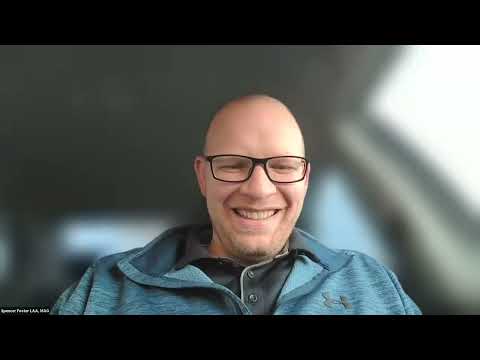
Spencer Foster, a MAG colleague, gave Woodland Hills council a detailed Open & Public Meetings Act briefing emphasizing transparency, limits on closed sessions, notice/minutes requirements, and risks from informal electronic communications that can create public records.
Spencer Foster, introduced as a MAG colleague, led a 90‑minute Open & Public Meetings Act (OPMA) training for the Woodland Hills City Council and staff that focused on transparency, notice and record‑keeping requirements.
Foster opened by saying, “OPMA isn't really meant to trap officials. It's meant to protect public trust,” and framed the law’s purpose as ensuring the public can see not only what decisions are made but how and why they are made. He told the council that small towns are held to the same OPMA standards as larger municipalities and urged members to ask themselves whether they would be comfortable explaining their decision publicly.
The training walked through several operational rules the council flagged as important: quorum and chance social gatherings (Foster advised issuing a notice of quorum for conferences or retreats where multiple council members will be present); emergency meetings (limited to immediate threats to life, safety or property and subject to expedited notice rules); and closed sessions (allowed only for narrow topics such as personnel, litigation, bargaining or property acquisition, with specific affidavit and recording practices). Foster warned councils not to make final votes in closed session and said a closed session must stick to the agendaed topic.
Foster also reviewed electronic meeting rules and recordkeeping: a city ordinance must authorize electronic participation for remote members to be counted as part of a quorum and for remote voting; agenda notices must include date, time, place and an electronic access link; notices should be specific enough to let the public decide whether to attend; draft minutes must be uploaded within 30 days; approved minutes and meeting recordings must be posted within three business days; recordings must be kept unedited; and written communications among three or more members (text or email chains) can create public‑meeting records under GRAMA.
On enforcement, Foster said the state records committee and the attorney general handle OPMA/GRAMA matters and that remedies are usually corrective rather than punitive, although courts can void actions taken in violation of the law. He closed with best‑practice guidance: when in doubt, notice the meeting and limit written records to what’s essential.
The training drew several follow‑up questions from council members about retreat notices, how to document remote appearances in minutes, and limits on public comment time. Foster offered to share affidavit templates and follow‑up resources by email.