Get Full Government Meeting Transcripts, Videos, & Alerts Forever!
Get email alerts on the Homelessness topic
No spam. Unsubscribe anytime.
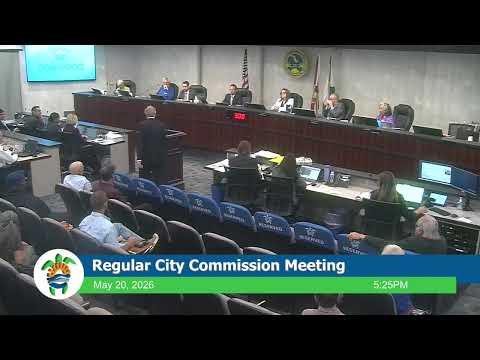
Task Force for Ending Homelessness presents local survey: 231 contacts, 40% first‑time homelessness; commission urged to back prevention and outreach
Summary
The Task Force reported data from a March 10 'Voices of the Street' activity: 231 surveys (198 inside Hollywood), 95 interviews, high rates of mental‑health needs, and recommendations to emphasize early prevention, robust outreach, and a core‑response model. Commissioners asked follow‑up questions and staff said clinical surge and outreach expansions are underway.
Jacob Torner, vice president of programs at the Task Force for Ending Homelessness, presented the results of a March 10 field survey called "Voices of the Street." The Task Force collected 231 surveys (198 within Hollywood city limits), including 95 long‑form interviews and 136 short‑form observations. The findings highlighted an aging unsheltered population, a significant number of first‑time homelessness cases and complex health and substance‑use needs.
Key figures Torner cited included: 231 surveys collected, 198 inside Hollywood; 95 interviews; roughly 32% reporting mental‑health struggles; 21 respondents reporting substance‑use disorder; 40% became homeless for the first time during the counted episode; employment among respondents was only about 11%; and nearly 70% were not receiving mainstream benefits. Torner called this a "front‑end crisis" — a notable volume of recent homelessness driven by economic instability — and recommended actions focused on early prevention, sustained outreach and a 'core response model.' That model deploys a trained recovery and housing specialist in a marked police car for frequent, immediate response to calls for service and outreach, a program the Task Force has piloted with Davie.
Torner also described operational successes: sustained street outreach, partnerships with Caring Place, the Broward Outreach Center and VA services, targeted use of HOME‑ARP funds for outreach and a multiyear contract for active street outreach. He reported an average response time of 42 minutes to reported encampments and credited increased coordination between public safety, housing staff, and nonprofit partners for improving same‑day shelter outcomes.
Commissioners acknowledged the report’s detail and asked about capacity constraints (shelter/treatment bed shortages), service gaps related to pets and families, burnout among outreach officers and the need for more clinical capacity. Torner and staff said progress has been made — including expanded countywide shelter placements and treatment partnerships — but emphasized that more emergency housing stock, prevention programs (eviction interventions), and expanded clinical services are necessary for durable reductions in street homelessness.
The Task Force asked for direction on scaling prevention and outreach and recommended the commission consider programs to resolve encampments quickly while increasing long‑term re‑housing throughput. The commission supported returning to these topics in future meetings and asked staff to continue coordination with the Task Force and county partners.