Get Full Government Meeting Transcripts, Videos, & Alerts Forever!
Get email alerts on the Tenant Opportunity To Purchase topic
No spam. Unsubscribe anytime.
Silver City residents urge planning commission to advance tenant 'opportunity to purchase' ordinance for manufactured-home parks
Summary
Residents and advocacy groups urged the Planning and Zoning Commission to forward a draft tenant opportunity-to-purchase ordinance after hearing testimony about investor takeovers and sharp lot-rent hikes; staff said the draft follows an Albuquerque model but several commissioners and speakers urged longer, commercially reasonable timelines. (Hearing set for formal consideration next month.)
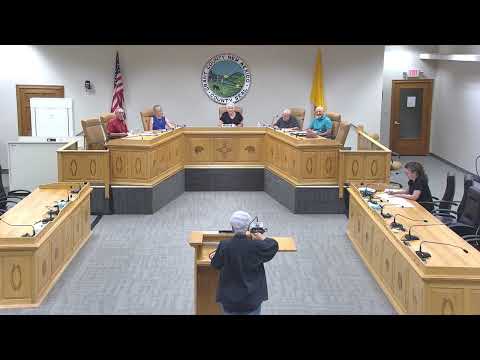
Public commenters told the Silver City Planning and Zoning Commission on July 7 that a proposed tenant "opportunity to purchase" ordinance could protect homeowners who own manufactured homes but not the land beneath them from displacement by investors.
"The ordinance being considered tonight is a perfect example of that," said Andy Payne, who lives just outside the city limits, urging commissioners to advance the measure to City Council. Several other speakers described abrupt park sales, steep lot-rent increases and the emotional and financial toll on residents.
Joanne DeMichael, a homeowner and president of a statewide manufactured-homeowners advocacy organization, told the commission institutional investors are increasingly buying land beneath manufactured-home communities. "In 2021, institutional investors accounted for 23% of all manufactured home transactions. In 2025, that number doubled to 47.1%," she said, and urged the commission to recommend the ordinance with "workable" timelines. DeMichael said the draft’s 15-day notice period is too short for residents to organize, secure counsel and arrange financing.
Pamela Morgan described learning of a park sale one week before new owners arrived and said lot rents later rose "roughly 30 to 70%" for residents. "If that owner had let us know it was for sale, we would have purchased it," she said, arguing the ordinance would support aging-in-place and housing stability.
John Flack, a volunteer with AARP’s executive council, said manufactured-home communities are an important source of affordable, socially connected housing for older adults and said AARP supports local efforts to provide homeowners a right to organize and purchase. Ron, who identified himself as a longtime homeowner and landlord, described local education and coalition work in support of the bill, including a local screening co-sponsored by the Unitarian Universalist social justice team.
Staff told the commission the draft ordinance largely follows timelines used in an Albuquerque ordinance and that legal counsel instructed staff to use those model numbers. "These are the numbers that came out of the Albuquerque ordinance," staff said in response to a commissioner’s question about the 45-calendar-day financing window in section 9.7.
Commissioners raised multiple concerns about the draft timelines. One commissioner said the draft’s 15-day notice period for residents to respond to a sale appeared "very constricted" and asked staff to examine whether 45 days is sufficient for arranging commercial financing. Staff and commissioners also discussed how a property owner’s ability to enter contingent agreements (for example, tied to a buyer’s conditions) would interact with resident notice requirements; staff said owners could enter negotiations provided they make a fair effort to offer residents a first opportunity.
Joanne DeMichael urged the commission to lengthen timelines to align with the National Consumer Law Center’s model OTP recommendations so residents have time to learn of a sale, meet as a group, consult counsel and arrange purchase agreements.
Staff said tonight’s session is an early rule-making opportunity for public comment and that the item will return as a formal hearing next month, when testimony will be sworn and the commission may vote whether to forward a recommendation to the City Council. No formal action on the ordinance was taken tonight.
The commission asked staff to research timeline options—including language to accommodate time-sensitive transactions such as tax-deferred exchanges—and to report back. The ordinance will be on the agenda next month for a formal hearing and potential motion.