Get Full Government Meeting Transcripts, Videos, & Alerts Forever!
Get email alerts on the Budget topic
No spam. Unsubscribe anytime.
Frankford Township school budget keeps programs intact, board approves 4.33% tax-levy increase
Summary
The Frankford Township Consolidated School District board approved the 2024–25 budget that leaves programming intact but raises the general fund tax levy about 4.33% to cover fixed-cost increases (health benefits, salaries, insurance); roll-call approval passed with one no vote.
The Frankford Township Consolidated School District board approved the district’s 2024–25 budget on May 17, adopting a general fund tax-levy increase of roughly 4.334% to cover rising fixed costs while keeping all programs intact.
The budget presenter told the board that salaries and extra compensation account for about 62.3% of the budget, health benefits are projected to rise 9.66% (about 16% of the budget), and other mandated costs — transportation, property insurance and workers’ compensation — are also increasing. The presenter said roughly 86% of the budget is fixed cost, leaving about 11.8% as discretionary spending.
“All programming will remain intact,” the Superintendent said, noting that preserving programs was a priority in developing the proposal.
As presented, state aid to the district increased by about $41,000; the presenter said the state’s funding formula and caps limited an otherwise larger increase and explained that allowable adjustments (primarily for health-benefit cost growth) permit the district to exceed the 2% tax-cap. The presenter gave the following budget totals: a general fund increase of about $440,099, a total tax-levy increase including debt service of $441,004.87, and average residential impacts of approximately $212.72 for Branchville and $128.31 for Frankford.
The presentation also described revenue strategies: timing network and wireless upgrades to capture a 50% E-rate reimbursement, expanding shared services to reduce costs, and increasing tuition slots for out‑of‑district students (the presenter estimated roughly $172,000 in additional tuition-related revenue, emphasizing that tuition offsets costs rather than generating net profit and that audits can later adjust final amounts).
Board members asked clarifying questions about tax-cap mechanics and allowable adjustments; the presenter explained health-benefit increases and limited enrollment adjustments are typical reasons districts may exceed the 2% base cap.
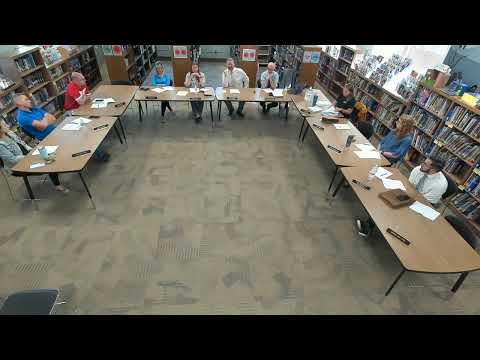
On the motion to accept the consent agenda and budget items, the clerk conducted a roll-call vote. The record shows the following votes: Chris Dexter — yes; Charlene Molnar — yes; Chelsea Stoll — yes; John Tiger — no; Kate Adam — yes; Jesse Vaughn — yes; Caitlin Fredo — yes; Andy Jask — yes. The motion carried.
The board moved quickly through the public comment period (no speakers) and closed the meeting after noting several upcoming dates and a request for chaperones for the eighth-grade dance on May 31.
Next procedural steps: the budget is approved by board action on May 17 and will proceed to the usual post-adoption reporting and any required audits; no additional board action was announced at the meeting.