Get Full Government Meeting Transcripts, Videos, & Alerts Forever!
Get email alerts on the Parking And Growth topic
No spam. Unsubscribe anytime.
Residents press council on paid parking, speeding and university-driven housing pressures
Summary
At the June 24 meeting residents and business owners pressed the borough on paid parking, speeding and student rental impacts; council responded with parking-use statistics, explained legal limits on resident-only exemptions and outlined enforcement options.
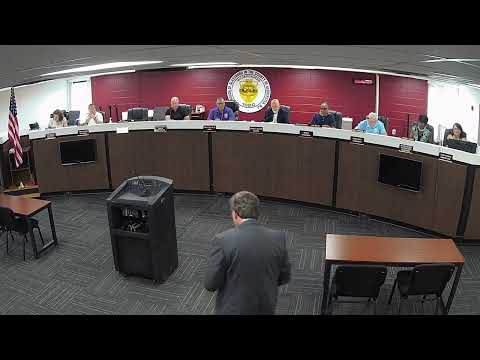
Residents used the public-comment period at the June 24 Glassboro Mayor and Council meeting to press officials on downtown paid parking, safety and the perceived effects of Rowan University–related housing conversions.
Maggie Smith (220 Foxborough Drive) asked whether residents can avoid paying to attend borough meetings and said she felt the town had become ‘‘the college’’ rather than a resident community. She asked, “How did that come about? Did we get a vote on it? How do we get rid of it?” The council replied that paid parking was adopted to increase turnover and support downtown businesses; a council member presented month‑by‑month parking comparisons to support that goal.
A council member who oversaw parking reporting said, “In February this year … we parked 38% more cars downtown. In March 15%. April 16%. May 13%. And in June, we're tracking 14% more,” and described the policy as intended to drive downtown turnover and reduce overnight pop‑up parties that clustered vehicles overnight on Rowan Boulevard.
Reggie Avial and other residents raised concerns that seniors and year‑round taxpayers should not have to pay for downtown parking; the council discussed legal limits on resident‑only hang tags and noted liability risks if permanent exemptions were issued. Council members described possible targeted relief (a proposed "Golden Tuesday" placard for seniors) rather than universal hang‑tags, and noted the borough had examined legal enforcement issues and potential for misuse.
Other speakers, including Willie King and Rich Bettencourt, complained about speeding on neighborhood streets, illegal overnight parking and commercial vehicles left on residential blocks; council members said staff would run speed studies, look at posted no‑parking signage and work with police for enforcement where ordinances apply.
The meeting record shows the council acknowledged residents' concerns, promised follow-up (speed studies, enforcement checks, staff follow up on boarded properties) and asked residents to report specific problem locations to policing and code enforcement staff. No new parking ordinance change was voted during the meeting.