Get Full Government Meeting Transcripts, Videos, & Alerts Forever!
Get email alerts on the Municipal Finance topic
No spam. Unsubscribe anytime.
Washington County hears options to finance $61 million justice center and expo arena; petition risk, timing and tax impact debated
Summary
County officials heard a presentation from Gary Kimball of Specialized Public Finance on options to finance up to $61 million for a justice center and an expo/event arena, including a projected 3.95¢ tax impact per $100 valuation, the timing tradeoff between bonds and certificates of obligation, and the legal/petition risk of forcing a bond election.
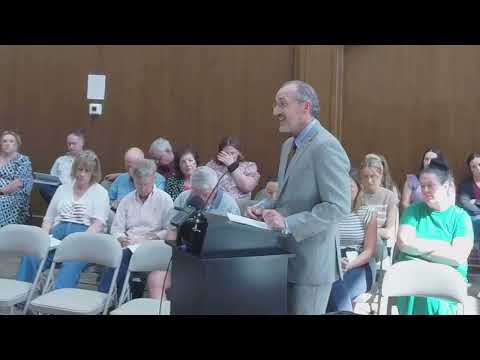
Washington County Commissioners Court on July 6 heard from Gary Kimball of Specialized Public Finance about financing options to fund up to $61 million in capital improvements, mainly a proposed $45 million justice center and a covered expo arena. Kimball told the court the county’s lack of existing debt should yield a strong bond rating and attract competitive bids, but he urged officials to weigh rising construction costs and a shifting interest-rate outlook.
Kimball said infrastructure costs have climbed since the COVID pandemic and that markets now expect interest rates to move higher later this year and into 2027. “Since COVID, infrastructure cost inflation has averaged more than 10% a year,” he said, and cautioned that waiting several years will likely increase both project and financing costs. He told commissioners certificates of obligation and voter-approved general obligation bonds typically sell into the market at similar interest rates; the main differences are voter approval, added election expense and timing.
Under Kimball’s estimates, issuing debt for $61 million would produce a net county tax impact of about 3.95 cents per $100 of assessed value. He illustrated the effect with an example: a $350,000 home with a $140,000 homestead exemption (taxable value about $210,000) would see an annual increase of less than $83 under the projection. Kimball noted the county also holds roughly $2.4 million in debt-service funds and a portion of the maintenance tax rate (about 0.75 cents) that could be used to offset the tax impact.
Timing and petition risk were central to the court’s questions. Kimball said certificates of obligation could be priced and locked as early as August, allowing the county to invest proceeds during construction, while a voter-approved election route would push market entry to January 2027 at the earliest and add administrative costs (Kimball estimated $35,000–$75,000 to run a countywide election). He warned that a successful petition forcing a bond election — signatures equal to 10% of registered county voters, submitted before the court awards a sale — would require a ballot and, if the ballot failed, would legally bar the county from financing those projects by vote for three years.
Asked about sensitivity to a quarter-point interest-rate increase, Kimball estimated that a 0.25-percent rise on a $61 million, 25-year issue could add roughly $3.8–$4.0 million in total interest expense compared with current projections. He also explained that the county may offset some annual interest costs by investing proceeds during the construction period, which under IRS rules can earn taxable rates while the bonds are tax-exempt, subject to arbitrage rules and the Public Funds Investment Act.
Commissioners and attendees pressed programmatic and cost questions: whether the county could pursue the justice center first and delay the expo, how the $61 million figure was derived, and what protections exist for seniors. A commissioner noted that Washington County’s senior homestead and tax-ceiling provisions limit the direct impact for qualifying taxpayers aged 65 and over. Kimball said the county retains flexibility: the published “not to exceed” amount can be reduced prior to sale and funds can be allocated to specific projects as the court directs.
The presentation closed with Kimball offering to provide comparative scenarios (general obligation bonds versus certificates of obligation) that model likely additional interest and election costs, and he encouraged commissioners to consider the tradeoffs between locking rates now versus seeking voter approval and risking higher costs if market rates rise.
The court did not take a financing vote at the July 6 meeting; the court’s next procedural steps would be determined by whether it allows the published notice to run and whether it instructs staff to proceed with bids in August or to pursue a bond election later in the year.