Get Full Government Meeting Transcripts, Videos, & Alerts Forever!
Get email alerts on the Rezoning topic
No spam. Unsubscribe anytime.
Powhatan planning commission recommends denial of Worsham Hamlet rezoning after large public turnout
Summary
The commission voted 3–2 to recommend denial of a request to rezone 34.5 acres to a village center plan development that would allow up to 64 clustered single‑family homes and 9.7 acres of commercial land; the hearing drew dozens of residents who raised traffic, density and consistency with the comprehensive plan as objections.
On July 7 the Powhatan Planning Commission recommended denial, by a 3–2 vote, of a rezoning request branded "Worsham Hamlet" that would have converted 34.5 acres from Agricultural‑10 to Village Center Plan Development to allow up to 64 single‑family detached dwellings and nearly 10 acres of neighborhood commercial.
Planning Director Webb and applicant planner Anne Miller described the master plan and proffers, including three Route 60 access points (with the potential for a roundabout), sidewalks on both sides of public streets, 18 percent open space, and six lots proffered to a community land trust for long‑term attainable homeownership. Webb noted the proposal advances goals in the county’s strategic plan but is not strictly consistent with the 2021 comprehensive plan’s future land‑use map.
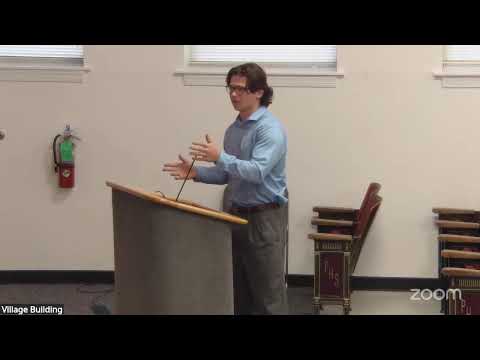
The public hearing drew a large turnout and extended public comment. Opponents cited traffic and safety at the Route 60/13 corridor, sewer and water capacity concerns, the development’s density relative to the community’s rural character, and skepticism that the short‑term outcome would produce truly affordable housing. Supporters said the project would provide commercial space and housing opportunities near existing infrastructure and could help offset county sewer costs by increasing connections.
After public comment and deliberation, the chair moved to deny the rezoning based on the commission’s finding that it did not meet the intent and language of the county comprehensive plan. A roll‑call vote recorded a 3–2 recommendation for denial; commissioners voting to deny cited plan inconsistency and concerns about scale and infrastructure, while commissioners voting to approve cited infrastructure presence (water/sewer) and smart‑growth considerations along Route 60.