Get Full Government Meeting Transcripts, Videos, & Alerts Forever!
Get email alerts on the Park Police topic
No spam. Unsubscribe anytime.
Park Police outlines 'precision policing' approach and patrol data for Nashville greenways
Summary
The Metro Nashville Park Police liaison said officers are using heat maps and community partnerships to target patrols, reported 61 Part 1 crimes year-to-date and encouraged board members to share data and collaborate with other departments for more effective responses.
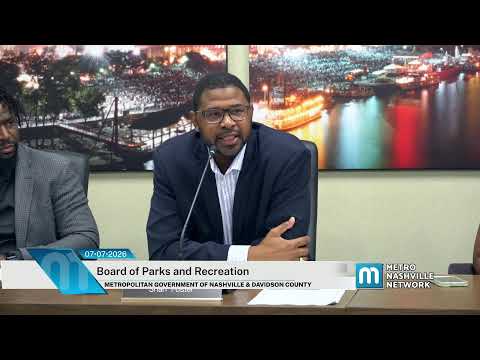
The Park Police Division, represented by a Metropolitan Nashville Police Department liaison, told the board on July 9 that it has shifted toward a data-driven 'precision policing' model to target patrols on greenways and park properties.
"Year to date, we do have 61 part 1 crimes," the liaison said while walking the board through weekly reporting, heat maps of hot spots and time-of-day trends. He described Part 1 crimes using UCR categories and explained that the division cross-references incident trends with days and times to prioritize patrols and community engagement efforts.
The presenter urged deeper partnerships across Metro agencies, including the Office of Homeless Services and MNPD units such as the special victims division and school resource officers. He described recruiting challenges for park police—who operate on a different pay plan than MNPD—and said the department is leveraging joint recruitment events to boost staffing. When asked about the role of technology, he said license plate readers could help but noted jurisdictional limits for park police: officers generally have authority only within park boundaries.
Why it matters: Park police say analytics are guiding patrol placement to improve public safety in parks and on greenways; the approach depends on interagency data sharing and resources to increase officer presence and community activation.
Board response and follow-up: Members asked about age breakdowns and seasonality and the liaison offered to provide more detailed victimization data from internal reports. The board agreed to continue the conversation and encouraged staff and partners to share relevant datasets to improve coordinated responses and programming.
Ending: The Park Police liaison encouraged continued contact from board members and stakeholders and asked that the presentation be the start of an ongoing collaboration rather than a one-time briefing.