Get Full Government Meeting Transcripts, Videos, & Alerts Forever!
Get email alerts on the Harm Reduction Outreach topic
No spam. Unsubscribe anytime.
Harm Reduction Sisters describe syringe services, mobile outreach and rural naloxone distribution
Summary
A regional harm‑reduction provider described outreach across Duluth, Hibbing and the Iron Range, including syringe services, mobile deliveries, an outreach van and event tabling; the presenter emphasized meeting people where they are and reducing shame as a pathway to saving lives.
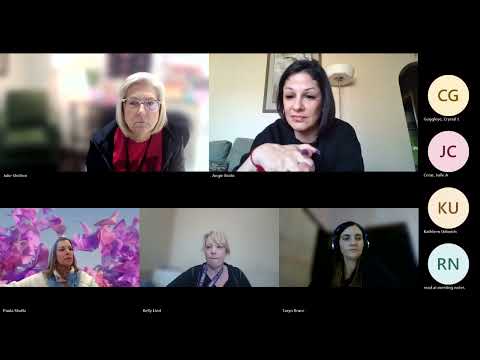
Angie, regional director for the Harm Reduction Sisters, told the convening about the group’s rural outreach and low‑barrier services, which include a syringe service program (SSP), supply distribution, mobile deliveries and an outreach van that provides testing.
"I am coming up on about 9 years clean," Angie said as she described how the harm‑reduction model — meeting people where they are and reducing shame — shaped her path into the work. She framed harm reduction as a practical, life‑saving approach that keeps people alive while connecting them with care when they are ready.
Angie said the organization operates a main office in Duluth and an office in Hibbing located at Lakeview Behavioral Health; staff are working to reopen a Virginia site. Because transportation is often a barrier in rural areas, the program provides mobile deliveries and mail‑order for supplies and runs an outreach van that visits communities to offer testing and supplies. Angie said their SSP offers clean syringes, safe disposal and other supplies, and that staff try to fill specific participant requests when possible.
Attendees asked about presence at community events and vending‑machine distribution of supplies; Julie Shelton and others described successful event tabling and use of community vending slots. The group discussed how naloxone distribution differs in rural areas where emergency response times are longer and emphasized making naloxone widely accessible.
Angie also noted recent program expansion funded in part by opioid‑settlement grant money and described plans for a broader "Highway 53" outreach project to reach more rural communities. She said staff with lived experience and an explicit low‑barrier approach help build trust and connect people to medical and county services when appropriate.
Organizers encouraged partnerships between county home‑visiting teams, Recovery Alliance Duluth and harm‑reduction providers to improve referral pathways and better coordinate supports for pregnant and postpartum people who use drugs.