Get Full Government Meeting Transcripts, Videos, & Alerts Forever!
Get email alerts on the Classical Curriculum topic
No spam. Unsubscribe anytime.
Curriculum committee opens discussion on classical curriculum, agrees to form study group
Summary
Members debated whether to adopt a wholesale classical curriculum or selectively borrow elements; the committee agreed to form a subcommittee to define what 'classical curriculum' would mean locally and identify feasible elements to pilot.
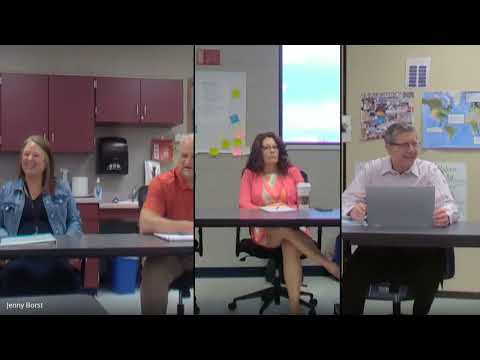
The Watertown Unified School District curriculum committee on April 15 opened a broad discussion about exploring a classical curriculum and agreed to form a committee to define what that approach would mean for the district and which elements might be practical to pilot.
A committee member who introduced the topic said wholesale adoption (for example, following the Hillsdale model) would represent a large, district‑wide change requiring teacher training and significant alignment, and asked whether that effort would be worth the result. "It would take some effort to do that, and that's a wholesale change," the member said, urging the group to weigh costs and gains.
Other members suggested a narrower approach: begin by defining what the public understands by "classical curriculum" and then identify achievable elements, such as different literature selections, increased rigor, or more emphasis on logic and rhetoric, that could be integrated into existing programs without a district‑wide overhaul. Sam (S9) recommended starting with a clear, local definition and focusing on practical changes parents want — stronger literature choices, streamlining for rigor, and literacy approaches — rather than an immediate wholesale shift.
The committee discussed implementation challenges raised in the transcript, including teacher training needs, possible equity implications, resource and staffing constraints, and the question of whether classical models have community buy‑in. Members noted some local classical programs have waiting lists but cautioned that full adoption can carry costs beyond materials, such as uniforms or specific staffing needs.
Next steps: The committee agreed to act as the study group and to schedule a focused subcommittee meeting to define a working local definition of classical curriculum, map the district's strategic plan and identify gaps, and return recommendations on feasible pilot elements and timelines.
(Reporting note: quotations and attributions are taken from the committee transcript of April 15.)