Get Full Government Meeting Transcripts, Videos, & Alerts Forever!
Get email alerts on the Parking Enforcement topic
No spam. Unsubscribe anytime.
Riverhead officials move to modernize parking enforcement with handheld devices, schedule code change for two downtown lots
Summary
Town board members and consultants described a plan to deploy six handheld ticketing devices integrated with court software, proposed a 2-hour limit for two downtown lots behind Main Street restaurants and scheduled a public hearing July 21; rollout timing depends on vendor approvals, cellular service procurement and printed ticket sign-off.
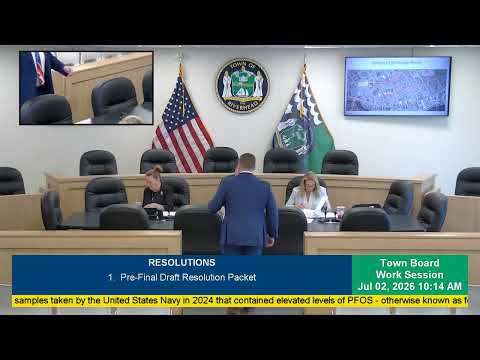
Riverhead town officials on July 2 advanced a plan to modernize parking enforcement downtown by using handheld ticketing devices and proposed amending the town code to set two-hour limits for two privately used lots behind Main Street restaurants.
The work session centered on a vendor presentation and an operational discussion that detailed costs, enforcement procedures and a public-notice timeline. Council members and court staff described the technology as a way to cut paper handling and let drivers address tickets online; at the same time law-enforcement representatives warned the board enforcement will require staff time and additional equipment such as plate readers.
Why it matters: Town leaders said the two targeted lots — commonly referenced in the meeting as the Town Square/Moonfish lot and the lot behind McDermott/Turquoise — have become routinely full, which local business owners say limits turnover and customer access. Councilmembers said creating predictable, enforceable time limits is intended to increase turnover, help businesses and reduce court foot traffic.
Vendor proposal and capabilities Dennis, a representative of FBS, presented the equipment and software proposal. He said the package the company recommended includes six Zebra TC27 handhelds, Seiko portable printers and a custom software build that integrates ticket photos, GPS coordinates and time-stamps directly into the town’s justice-court workflow. “The ticket being issued is gonna have a QR code,” Dennis said, explaining that recipients can scan the code to pay online or submit a not-guilty plea and supporting evidence.
FBS’s cost outline on the record listed a Year 1 total of about $24,002.59 (including a one-time $2,500 integration line that could be removed if the board elects to forgo an integration), with recurring software costs projected for years two and three. Dennis told the board the town has already procured the six devices to avoid delayed deliveries and estimated that, if the town approves the proposal, completes cellular-service contracts for the units and signs off on ticket printing, an early-to-mid August operational readiness could be possible.
Court and staff expectations Justice Court staff and the town’s administrative representatives described several operational benefits: photos linked to QR-coded tickets, immediate electronic upload to the court system, and fewer paper tickets to file. A justice-court representative said that electronic tickets should reduce the number of people who must appear in person to address parking citations.
Staff cautioned that the new system will not eliminate work. An enforcement official told the board that to reliably detect vehicles that have not moved, officers will still need to observe vehicles in place unless the town expands to automatic plate-reading technology. That official described the rollout as labor intensive and warned that dedicated enforcement time will draw officers away from other duties.
Code changes, signage and timeline Council members said a resolution to amend the Riverhead Town Code to create two-hour parking in the two identified lots is being prepared. The board was told the publishing/posting request for the code change would be on the July 7 meeting agenda and a public hearing set for July 21; the council’s expectation is to begin enforcement of the two lots after that hearing (Main Street already carries a time limit). A council member framed the public-notice period as important for community buy-in, with the board leaning toward a 30-day warning period though some staff favored a shorter two-week warning.
Officials also discussed signage and striping. Consultants recommended clear signs at lot entrances and consistent striping to avoid public confusion; the group debated whether to keep legacy green/white color-coding or move to uniform white striping with unequivocal signage.
Unresolved items and next steps No formal vote was taken at the July 2 work session. Next steps the board identified on the record included: (1) approving the vendor proposal or otherwise directing procurement, (2) securing cellular contracts for six devices, (3) final sign-off on the ticket layout and printing, and (4) completing the legal steps to amend the code and hold the July 21 public hearing. The vendor and the town also planned an API/integration meeting mid-week to finalize technical connections.
Board members emphasized outreach to businesses and residents during the warning period. The record shows town officials recognized data gaps — for example, the precise count of tenants who use the impacted lots was not stated on the record — and directed staff to refine signage, striping and code language before enforcement begins.
The board moved to executive session at the meeting’s close to discuss unrelated personnel and property matters; no vote on the parking items was recorded during the open session.