Get Full Government Meeting Transcripts, Videos, & Alerts Forever!
Get email alerts on the Open Space Easements topic
No spam. Unsubscribe anytime.
Ware conservation commission debates who should hold open‑space easements for cluster subdivisions
Summary
Commissioners and a guest discussed whether the town, a land trust or a homeowners association should hold open‑space easements on a proposed cluster subdivision, raising enforcement, access and design concerns and agreeing to pursue zoning clarifications and follow‑up with the planning board.
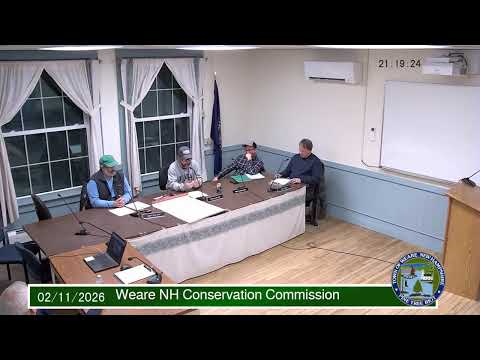
The Ware Conservation Commission spent the bulk of its Feb. 11 meeting examining who should hold open‑space easements for a proposed cluster subdivision and how open space should be designed to remain useful for forestry and agriculture.
"My main interest is... AMS open space easement and, basically open space subdivisions in general," said Steve Nager, the commission vice chair, introducing the topic and reporting that a land trust (AMS) told the planning board it currently does not want to take the easement as proposed. Commissioners and a guest said the commission must weigh enforceability and long‑term stewardship before accepting easements.
Chair Andy Fulton told the group the zoning language (Article 27) effectively names the conservation commission as the default easement holder and said, "I think we are bound to." Commissioners disagreed with accepting easements they cannot monitor or defend, noting the town is not a land trust and lacks staff and funding to enforce easement restrictions.
Members discussed several practical fixes: design open space as larger contiguous blocks rather than thin strips abutting many private lots; require clear maintenance and blazed boundaries; consider homeowners associations with an executory interest for the town; or have the town take fee title when appropriate. Commissioners cited local precedents such as Fox Hollow and Heathfield when weighing how conservation land performed in practice.
The group also discussed parcels that cross town lines (Goffstown was referenced) and the tax and legal consequences if the town took fee title to land outside its boundaries. Multiple speakers recommended seeking legal advice and Selectmen concurrence before any fee acquisition or unusual arrangement.
Next steps agreed by the commission included asking the planning consultant (PLC) for zoning examples from other towns, drafting a clear written request for planning‑board/Selectmen review, and having commission members meet PLC next month to explore ordinance language that distinguishes a true "conservation cluster" from a developer‑oriented cluster subdivision.
The record shows some inconsistent name transcription for the guest (the chair introduced a guest as "Craig Francis," while another line records "Greg Francisco"); commissioners and staff agreed to coordinate with planning staff and the developer at upcoming hearings rather than finalize positions at the Feb. 11 meeting.