Get Full Government Meeting Transcripts, Videos, & Alerts Forever!
Get email alerts on the Vacant Property Registration topic
No spam. Unsubscribe anytime.
Residents split over Rotterdam proposal to register vacant properties; motion to keep hearing open fails
Summary
A July 8 public hearing on an introductory local law to register vacant properties drew broad public comment for and against the draft; opponents said proposed fees and insurance requirements are excessive, supporters said registration addresses blight and public-safety risks. A motion to keep the hearing open failed.
The Town of Rotterdam held a public hearing July 8 on an introductory local law to amend section 265 of the town code to require registration of vacant properties, drawing multiple residents who described neighborhood blight, safety hazards and concerns about the draft fee structure.
Why it matters: The proposed vacant-property registration is intended to create accountability for absentee and derelict properties, but residents and former officials pressed the board to clarify exemptions and reduce fees for owners with legitimate reasons for vacancy. The board closed the hearing after public comment and a motion to keep the hearing open until the next meeting failed.
At the hearing, Don D'Ancangelo, a Rotterdam resident, said he has seen long-term deterioration and offered a firsthand example of a property so badly decayed that the basement was full of water and animals, arguing the town should be able to remove or compel maintenance of such hazards. “The place, in my opinion, is gonna have to be taken down,” D'Ancangelo said during his remarks in support of the proposal.
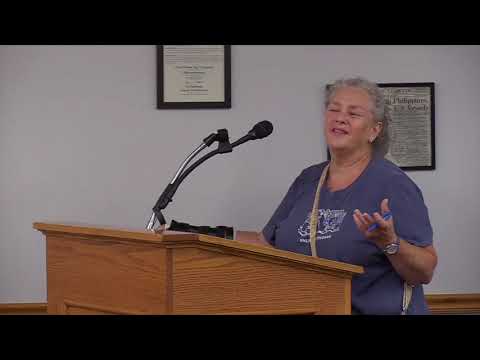
Not all residents agreed. Kimberly Ricker Scannell, a one‑time planning commission chair, said she supports the goal of addressing blight but opposed the draft as written, calling the registration fees and insurance/escrow requirements “exorbitant” and urging clearer exemptions for snowbirds, owners in probate, or temporarily vacant properties used during renovation. Scannell recited the draft fee schedule cited in the meeting—$2,500 for the first year, rising to $5,500 thereafter—and said the combination of registration fees, $300,000 liability-insurance minimums and a possible $5,000 escrow would in many cases be punitive rather than corrective.
Other speakers urged a middle course: several residents asked the board to target truly abandoned structures and to carve out reasonable allowances for owners who maintain properties but are temporarily absent. Tom Kennedy, who identified himself as from the city of Schenectady, framed vacant buildings as a public-safety concern, noting firefighter risks and urging stronger enforcement where buildings threaten neighborhoods.
Procedure and outcome: After the public‑comment portion, a board member moved to keep the public hearing open to allow additional speakers at the next meeting. The motion was seconded and put to a roll‑call vote; it failed. The supervisor then closed the hearing.
What’s next: The board continues to treat the registration measure as an agenda item under ongoing consideration; members and residents indicated they expect additional refinements to the draft language to address exemptions, fee structure and enforcement detail before any final vote.