Get Full Government Meeting Transcripts, Videos, & Alerts Forever!
Get email alerts on the Aviation Fees topic
No spam. Unsubscribe anytime.
Kenai commission debates using PlanePass ADS‑B system to collect transient-landing fees
Summary
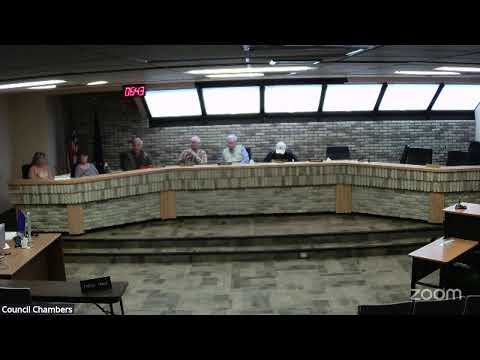
At its June 11 meeting the Kenai Airport Commission heard staff back a PlanePass (Vector) ADS‑B system to identify transient jets and collect landing fees to recover lost revenue; commissioners raised privacy and safety concerns and were urged to attend a June 17 council meeting where a resolution to award the contract is scheduled.
Airport Manager Mary told the Kenai Airport Commission on June 11 that staff had negotiated terms with Vector Airport Systems to install PlanePass, an ADS‑B‑based system the airport would use to identify billable transient aircraft and collect landing and parking fees. Mary said the installation carries no upfront cost, includes two ADS‑B receivers, Vector takes a 12% fee and its reported collection rate is 99.6%.
"Vector Airport Systems is aware of recent legislation related to the use of ADS‑B data," Mary read from Vector's response, and explained that Vector "uses ADS‑B data as one of our primary sources to track aircraft and determine when a billable activity occurs." Mary added that if laws limit ADS‑B use the vendor would pivot to camera-based systems and the city could terminate the contract; she said a council resolution to award the contract is scheduled for the June 17 meeting and implementation was proposed for July 1.
The staff case rested on recovering transient-landing revenue. "We did lose more than $140,000 this last year," one commissioner said during the discussion, arguing the airport needs a more seamless way to capture fees than chasing transient pilots in person.
But several commissioners and aviation-affiliated speakers warned against using a system built on ADS‑B data for revenue collection. "I am against using a safety related system that was sold to the pilots ... to levy landing fees," said Commissioner Manelga, who described installing ADS‑B in her own aircraft and said pilots and aircraft owners value the system for safety. Another commissioner with flight-service experience said converting a safety tool into a billing mechanism could discourage pilots from using or maintaining ADS‑B equipment.
Commissioners also cited pending federal legislation. A speaker referenced House bill 4146 (described in the meeting as the Pilot Aircraft and Privacy Act of 2025), saying the bill would bar using ADS‑B data to identify aircraft for revenue collection without owner consent. Several commissioners said that national or state law changes could make the ADS‑B collection option impractical and suggested exploring QR-code or on-site payment models used successfully at other airports.
Mary responded that the PlanePass installation is free, that Vector supplies the receivers and that contract language and the city attorney had been part of a conference call to clarify legal issues. "We can terminate the contract," Mary said. She invited commissioners and interested pilots to the June 17 council meeting packet, which will include a resolution and memo recommending implementation.
The commission did not take a final vote on the PlanePass policy at the June 11 meeting; instead the discussion focused on risks, alternatives and the legal landscape. The next procedural step noted in the meeting record is the city council resolution on June 17 to consider awarding the contract.