Get Full Government Meeting Transcripts, Videos, & Alerts Forever!
Get email alerts on the Budget topic
No spam. Unsubscribe anytime.
Washington Unified warns of multi‑year gap; board to consider $9–12M in ongoing cuts
Summary
At a public hearing, district staff said projected revenues and enrollment declines leave Washington Unified with a $3M unrestricted ending balance for 2026–27 (about a 2% reserve), below the 3% state minimum and the board’s 6% policy. Staff outlined a multi‑year plan that may require $9.25M in ongoing reductions to meet state minimums and up to $12M over three years to reach the board goal, and recommended using one‑time budget stabilization funds as a temporary bridge.
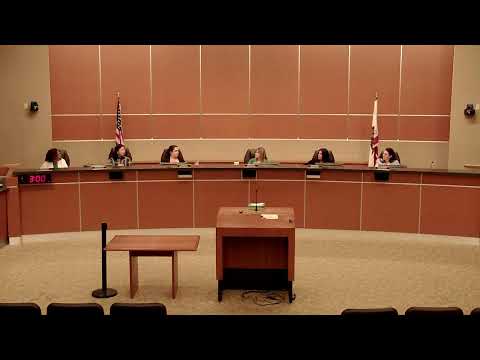
Washington Unified School District leaders told the board on June 11 that the district faces a structural budget shortfall that will require multi‑year corrective actions.
Monique Stovall, presenting the district’s adopted‑budget preview, said total general fund revenue for 2026–27 is projected at $140 million while expenditures are estimated at $150 million. “When you reduce that by required restricted program contributions, we’re ending the year with about $3 million in unrestricted funds — roughly a 2% reserve,” Stovall said, noting California law requires a minimum 3% reserve and the board policy target is 6%.
Billy Duba, who walked trustees through enrollment and spending assumptions, said the district lost about 140 students from 2024–25 to 2025–26 and projects further decline of roughly 70 students by 2028. Because state funding is driven by average daily attendance, that loss reduces LCFF revenue and contributes to the imbalance.
Staff outlined three tools to respond: (1) use one‑time budget stabilization dollars as a temporary bridge; (2) continue ‘scrubbing’ nonpersonnel contracts and one‑time costs; and (3) plan ongoing reductions to restore reserves. Stovall said the district has set aside $16 million in a budget stabilization fund but warned those dollars are one‑time and likely to be exhausted within three years.
“We are out of money in 2027–28” under the multi‑year projection without stabilization funds, Stovall said. With the stabilization funds included the district gains time, but the projection still shows risk in a later fourth year.
Staff estimated that to meet the state minimum reserve on an ongoing basis, the district would need to reduce ongoing expenditures by about $9.25 million; to reach the board’s 6% policy target, ongoing reductions could total about $12 million spread over three years. Stovall and Duba emphasized that staff will weigh student impact, legal requirements and strategic priorities when recommending specific reductions.
Trustees pressed for details. One trustee asked whether tutoring referenced in the LCAP would occur during or after the school day; staff said that scheduling and operational details will be included as the LCAP actions are fleshed out. Trustees also asked for clearer data on newcomer‑class staffing levels and whether some nonpersonnel reductions already reflected in the 2026–27 budget reduce the need for immediate personnel cuts; staff said roughly $1 million of nonpersonnel reductions had been removed from the 2026–27 budget already and that larger personnel reductions would be phased and most significant in 2027–28.
Next steps: the board will consider formal adoption of the 2026–27 budget on June 25. From August through November staff and the budget advisory committee will meet to refine recommendations; the committee will present priority recommendations in November and any identified reductions will be reflected in the first interim budget later in the year.
The presentation and discussion did not adopt specific cuts; rather, trustees and staff agreed to continue community engagement and develop targeted recommendations based on the advisory committee’s work and legal/operational constraints.