Get Full Government Meeting Transcripts, Videos, & Alerts Forever!
Get email alerts on the Housing Policy topic
No spam. Unsubscribe anytime.
Council updates Long Beach density‑bonus program, adds bonuses for community benefits and labor standards
Summary
The City Council approved updates to its Enhanced Density Bonus and Inclusionary Housing rules, adding special bonuses for projects that include child care, park proximity, nuisance removal, active ground‑floor uses, senior housing and voluntary higher labor standards (e.g., prevailing wage/unions). The changes aim to better incentivize mixed‑income development while aligning the local program with the new inclusionary ordinance.
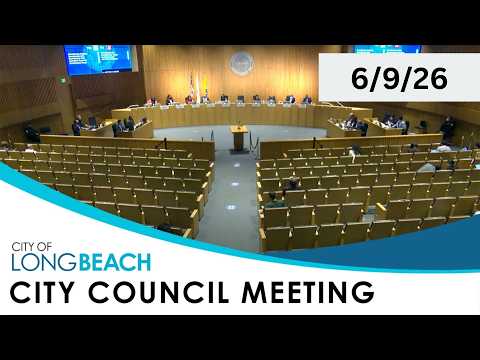
The Long Beach City Council voted June 9 to update the city’s Enhanced Density Bonus program to improve incentives for mixed‑income housing and to align local bonuses with the recently expanded Inclusionary Housing Ordinance.
Planning staff said the update was designed to make the local density bonus more competitive with state programs and to add new 'special bonuses' for projects that provide community benefits. Eligible bonuses now include locating within 1,000 feet of a park, removal of nuisance properties, senior housing, active ground‑floor uses (restaurants, neighborhood‑serving retail), and adherence to higher labor standards such as prevailing wage or union labor. Staff said the labor incentive is intended to create a market choice for developers to adopt higher labor standards because the city cannot directly impose labor requirements on private projects.
The council approved an environmental addendum, the ordinance amending the Municipal Code for the enhanced density bonus, and a related resolution forwarding LCPA materials to the California Coastal Commission. Councilmembers praised provisions aimed at increasing affordable housing production and highlighted the new ability to reward projects that remove nuisance uses or deliver community‑serving spaces.
Public comment emphasized concerns about permitting timelines and the cost of meeting RHNA targets; speakers urged bonuses for local hire and streamlined permitting. Planners said they will continue stakeholder engagement and that some bonuses (for example, proximity and child care) are intended to be additive to make projects financially feasible.
Outcome and next steps: The ordinance changes were adopted and will be circulated to the Coastal Commission as required; staff will incorporate the revisions into guidance for applicants and include bonus options in project review and future outreach.