Get Full Government Meeting Transcripts, Videos, & Alerts Forever!
Get email alerts on the Maternal Health topic
No spam. Unsubscribe anytime.
State move to regulate Alabama birth centers as hospitals could force closures, advocates say
Summary
Advocates warn a push by state officials to treat freestanding birth centers like hospitals — requiring 24/7 staffing and higher operating costs — could shut centers such as the Alabama Birth Center in Huntsville and reduce access to maternity care in counties already lacking services.
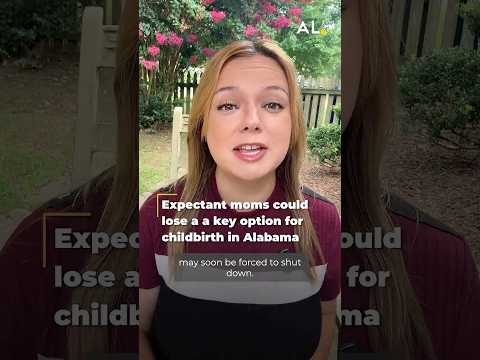
A push by state officials to classify freestanding birth centers as hospitals could force facilities such as the Alabama Birth Center in Huntsville to close, birth center leaders and advocates warned.
Supporters of the midwifery-based centers say the state’s proposal — described in the transcript only as an effort to regulate the facilities 'as hospitals' — would impose hospital-level requirements, like round-the-clock staffing and higher operating costs, that many small centers could not meet.
Birth centers serve only low‑risk pregnancies and follow the midwifery model of care, which treats pregnancy as a normal life event rather than a medical emergency. That approach, advocates say, results in fewer routine interventions, more patient choice, longer appointments and the option for family involvement and water births in home‑like settings. 'We talk about being an active participant in your care, and that means from the time you become a patient to the time you leave, you're actively involved in all of the choices that you make,' the Presenter said.
Leaders and supporters argue the centers also fill gaps in access. The transcript notes some patients travel more than 30 miles to reach a birth center. Advocates said that, given Alabama’s maternal mortality rate is 'well above the national average' (no specific rate was provided in the transcript), expanding midwifery services and birth centers is a practical way to increase timely access to qualified providers in so‑called maternity deserts.
Birth center operators told the reporter that requirements such as 24/7 clinical staffing would raise operating costs and could make continuing to operate financially unviable for small, community‑based centers. The transcript does not identify the specific state agency, statute or rule at issue or cite legislative text; it reports only that 'the state wants to regulate them as hospitals.'
The transcript records no response from state officials and does not describe any pending rulemaking schedule or bill number. Advocates said closures could lead more families to attempt home births, travel out of state for care, or face long journeys to hospitals. How state regulators will proceed — or whether they will revise proposed requirements to exempt freestanding birth centers — was not specified in the recorded remarks.