Get Full Government Meeting Transcripts, Videos, & Alerts Forever!
Get email alerts on the Capital Improvement topic
No spam. Unsubscribe anytime.
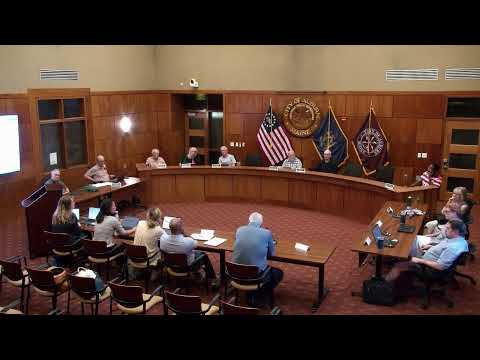
Committee asks staff to tag CIP gaps such as street safety and evaluate need for public restrooms
Summary
Members asked staff to align the comp plan with a 10‑year CIP, prioritize street-safety projects and form a short study on infrastructure gaps — including whether permanent public restrooms are warranted in high‑growth areas.
Committee members told staff to align the comprehensive plan with a forthcoming 10‑year capital improvement plan and to surface critical infrastructure gaps — notably street-safety investments and the potential need for public restrooms.
Planning and public‑works staff described a FY28 rollout of a 10‑year CIP that will allow the city to tie long‑range projects to comp plan goals and identify specific streets timed with state projects. Bilal asked that the comp plan explicitly consider public restrooms in high‑growth areas and public spaces; several members responded that permanent restrooms carry maintenance, safety and security costs and that the city already deploys portable restroom trailers for events.
"We recently purchased two portable restroom trailers... one at Lake Grove Park," Phil said, noting the city uses portable solutions for events and that permanent fixtures require ongoing security and maintenance resources. Jeff Hyman and others recommended an evaluation rather than a directive to build permanent restrooms, so staff can identify a tipping point and cost implications.
Committee direction: add policy language directing staff to (1) incorporate street-safety priorities into the CIP presentation and (2) undertake a short assessment of infrastructure gaps (including public restroom needs, operations and maintenance costs) before committing to capital projects.
Why it matters: a CIP alignment will improve transparency about long‑range street investments and provide a mechanism to fund safety projects; a studied approach to public restrooms will weigh public needs against operating costs and safety considerations.
Next steps: staff will draft CIP‑alignment language and a short study task for committee review.