Get Full Government Meeting Transcripts, Videos, & Alerts Forever!
Get email alerts on the Public Comment Summary topic
No spam. Unsubscribe anytime.
Public commenters urge the federal Parkinson's advisory council to act urgently on funding, diagnosis and care
Summary
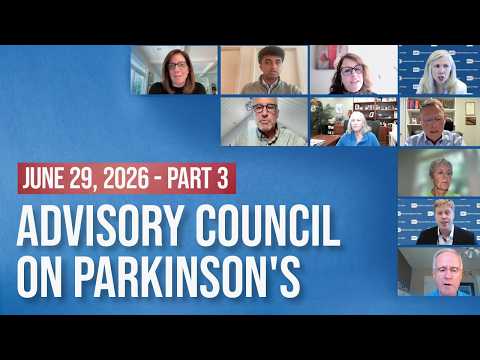
Hundreds of written and dozens of oral commenters told the federal advisory council to speed funding, improve diagnosis and expand care and caregiver supports for Parkinson's and related disorders; multiple speakers pressed for research centers, toxin bans and specific funding targets.
Hundreds of written comments and a day of emotional oral testimony left no doubt about one message: the Parkinson's advisory council must move quickly to translate its plan into funded programs and clearer care pathways.
In oral remarks, Ally Cignarelli, a patient and former fundraiser for Us Against Alzheimer's, described an acute emergency in an emergency department and urged the council to "act with urgency," saying delayed diagnosis and lack of specialist access are costing patients time and health. "We need help now," she said, adding that social posts about her experience drew tens of thousands of views and underscored broad public concern.
The public comments, a nut graf for the council's work, painted a consistent picture: family caregivers and patients reported late or incorrect diagnoses, barriers to disability and home-based supports, long waits for Medicaid waivers, and limited access to movement-disorder specialists. Laurie Barr, a care partner, said an estimated 10 to 20 percent of people with atypical parkinsonian disorders are initially misdiagnosed with Parkinson's, and urged better clinician education and more research on progressive supranuclear palsy (PSP).
Speakers described a range of policy asks. Ken Chasen, a member of the Parkinson's Foundation People with Parkinson's Advisory Council, urged the panel to publish its overdue report within a year, identify the resources needed for prevention and care, and to expand multidisciplinary access. He proposed concrete federal research targets: "I support an initial NIH investment of $600,000,000 annually in Parkinson's research, with a goal of increasing federal Parkinson's research funding to $1,500,000,000 annually by 2032," he said.
Colin Gibney recounted the misdiagnosis of his wife, who postmortem was found to have corticobasal degeneration, and urged support for the Healthy Brains Act (HR 7779) to establish coordinated research centers and information dissemination. Several commenters, including Lucretia Pintikuta, a retired health-care provider, also called for banning known toxins they linked to Parkinson's risk, naming paraquat, TCEs and glyphosates.
Caregiver speakers repeatedly highlighted financial strain and administrative delays. Stacy Foxwell, who said she was diagnosed young and denied Social Security disability, urged streamlined disability eligibility and 30-day access to benefits based on medical and financial need. She also said state Medicaid waivers in Nevada have waits of two to three years for services that families rely on.
Council staff framed the public input as central to the Federal Advisory Committee Act (FACA) process: the meeting host said 162 written comments (from 126 individuals/families, researchers and 13 organizations) were provided to council members in advance and that public comments would be included in the meeting record. In closing remarks, Dr. Adams thanked speakers and said the council is "acting with a sense of urgency," asked members to indicate interest in working groups and leadership roles, and outlined plans for subcommittees and upcoming meetings.
What happens next: the council plans to develop the agenda for an Aug. 24 meeting, hold subcommittee organizational meetings the week of the 13th, and expects initial committee meetings to be held by Aug. 14. The council also discussed an in-person meeting with virtual participation on Aug. 9 and another virtual meeting on Dec. 7.
The advisory council did not take any formal votes during the public-comment segment; commenters' requests and the council's planned schedule were recorded for follow-up and incorporation into the council's work plan.