Get Full Government Meeting Transcripts, Videos, & Alerts Forever!
Get email alerts on the Council Organization topic
No spam. Unsubscribe anytime.
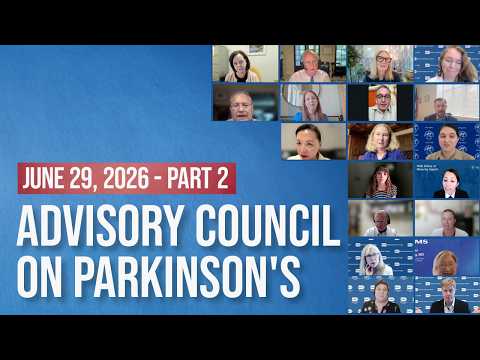
Parkinson’s advisory council lays out work plan, subcommittees and timeline for national plan
Summary
The council reviewed lessons from the National Alzheimer's Project Act, debated priorities (research vs. care), and set a near‑term work plan: two subcommittees, two public workshops in 2027, an RFI open until Aug. 22, and a target to publish a federal national plan by the end of 2027.
Council leaders framed the next steps to produce a National Parkinson’s Plan, drawing lessons from the National Alzheimer’s Project Act (NAPA) and laying out an ambitious timetable for subcommittees, public workshops and a final federal plan.
Dr. Bonnie Adams reviewed NAPA as a precedent and emphasized a balanced approach: “Set goals that are flexible enough to adjust to new work and initiatives,” she said, while urging targeted, achievable milestones rather than overpromising. She noted a statutory difference in the Parkinson’s legislation: the act directs NIH to develop an estimate of current federal costs for research, diagnosis, treatment and care and to estimate the cost to implement the national plan.
Sarah Dodson of NINDS presented a proposed calendar for 2026–2027. She said the council expects eight full meetings between now and the end of 2027, two public workshops (to be planned with the National Academies), an open request for information (RFI) running through Aug. 22, 2026, and a goal of publishing the federal national plan before the end of 2027. Dodson proposed two initial subcommittees — one focused on research and regulatory programs and one on care, services and supports — each with a public co‑chair and a federal co‑chair; meetings may include nonvoting external experts and working groups for time‑limited tasks.
Members debated priorities and structure. Several urged balancing long‑term objectives (identifying causes and prevention) with immediate improvements to care and equitable access. “We have to decide how much energy is the emphasis on ending Parkinson's versus improving access to existing therapies,” one member said, urging the council to set specific, measurable steps. Multiple members recommended cross‑representation so that researchers inform care committees and people with lived experience participate in research deliberations.
Council leaders asked members to indicate subcommittee preferences by July 8 and suggested identifying external experts quickly so the groups can meet before the August 24 full‑council meeting. The council also plans two public workshops to gather stakeholder input and emphasized that recommendations developed by subcommittees must be presented at open council meetings for full deliberation.
Next procedural steps announced included rapid identification of subcommittee co‑chairs, collation of public comments (more than 160 submitted so far), and follow‑up analyses requested from federal agencies to support the council’s statutory cost estimate and recommendation drafting. The council will use public workshops, the RFI and working groups to gather additional evidence and stakeholder perspectives ahead of its summer‑to‑fall 2027 report deadlines.