Get Full Government Meeting Transcripts, Videos, & Alerts Forever!
Get email alerts on the State Budget topic
No spam. Unsubscribe anytime.
Dinowitz and Evers clash over late state budget and climate rollbacks
Summary
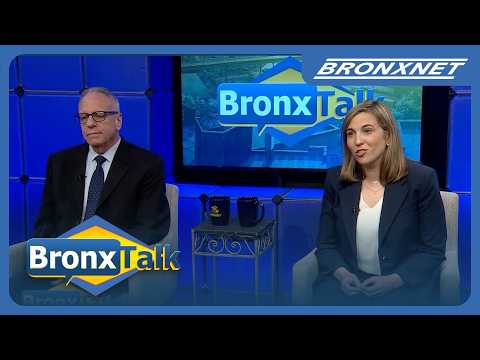
At a BronxNet debate for the 81st Assembly District, incumbent Jeffrey Dinowitz and challenger Morgan Evers disagreed over the state’s late budget, with both criticizing rollbacks to the Climate Leadership and Community Protection Act and trading responsibility for the process that delayed passage.
Incumbent Assembly member Jeffrey Dinowitz and challenger Morgan Evers used a BronxNet debate to spar over the state budget, which passed late this year and included rollbacks to New York’s climate law.
Dinowitz said the budget’s lateness stemmed from the governor insisting that policy items be tied to the fiscal package. “The budget was very late,” Dinowitz said, adding that the governor’s involvement meant “dollars and cents wasn’t really even negotiated until the last few days.” He defended parts of the package as beneficial while saying he “vehemently disagreed” with some rollbacks to the CLCPA and opposed those measures on the Assembly floor.
Evers criticized the concentration of power in the executive branch and the late process for shutting out legislative policy priorities. “I think that the governor has too much power in the process,” she said, arguing that late budgets prevent the legislature from advancing proposals that reflect constituents’ needs and calling for tax fairness to protect working-class incomes.
Both candidates said they opposed CLCPA rollbacks. Evers called for sustained investments in climate infrastructure and said the legislature needs to protect funding for long-term projects. Dinowitz highlighted other environmental measures he supported, including the Climate Change Superfund Act, and said some of the budget’s environmental provisions were beneficial.
The debate provided voters with the candidates’ competing perspectives on whether policy belongs inside the budget process and how to preserve climate and affordability priorities when major decisions are made late and under executive pressure.