Get Full Government Meeting Transcripts, Videos, & Alerts Forever!
Get email alerts on the Charter Revision topic
No spam. Unsubscribe anytime.
Charter Revision Commission presents package of housekeeping edits and several substantive changes
Summary
The Charter Revision Commission recommended grammatical and formatting updates and a set of substantive changes — removing unused constables, clarifying vacancy appointments, codifying a minority‑leader role and exempting certain pass‑through grants from referendum thresholds — and the council heard questions and public comment before a public hearing.
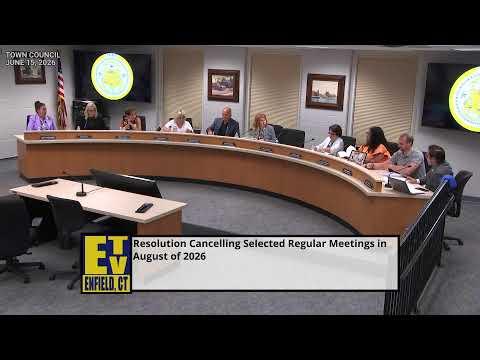
The Charter Revision Commission presented its report to the Town Council on June 15, outlining a mix of non‑substantive edits and several substantive proposals that would appear on a November referendum if the council forwards them.
Rich Storney, chair of the commission, said the document submitted in late May combined grammar and formatting fixes with larger recommendations, including changing the title “tax collector” to “collector of revenue,” removing constables from the charter because the town no longer uses them, allowing the political party of a vacating official to nominate replacements, and codifying a minority‑leader position in council leadership. “This is not only included the public’s input, but also the work done by the commission,” Storney said, adding the commission aimed for a fair and balanced recommendation.
Council members focused on several provisions. Councilor Zanonni asked whether excluding state and federal pass‑through grants from the referendum calculation would change what voters see on the ballot; staff and commissioners said pass‑through funds typically do not appear as town income lines and the intent is to avoid forcing referendum votes for grants that do not affect town fund balances. Councilors also probed the mechanics of vacancy filling under the proposed language — a caucus selection with a 60‑day window and a fallback to the standard council process if no selection is made — and whether the town attorney’s appointment timeline should mirror the longer timetable recommended for the town manager. Commissioners said legal opinion informed the commission’s wording and suggested that council could send changes back for rewording if it wanted.
Several council members asked for clearer drafting on the referendum exclusion, noting that school carryover accounts and state Education Cost Sharing (ECS) funds could complicate the intent. Councilor Hall asked whether the council could control how school carryover funds are used; other councilors said state statute still governs school finances and the charter language should be clarified to avoid unintentionally stripping voters’ rights on major projects.
The council then opened the charter revision public hearing later in the evening; George Young, the sole speaker signed up for that hearing, urged the council to table approval and raised a long list of suggested edits and clarifications covering term start dates, appointment language, and notice provisions.
What happens next: The council will review feedback from these sessions, consider any redrafting or clarifying edits members request and decide whether to forward the commission’s recommendations to the ballot. If the council forwards them and the council votes to place items on the November referendum, the charter changes would take effect per the resolution’s effective date.