Get Full Government Meeting Transcripts, Videos, & Alerts Forever!
Get email alerts on the Transit topic
No spam. Unsubscribe anytime.
Regional transit agency proposes microtransit/TNC mix for Nampa, schedules public hearing
Summary
The Valley Regional Transit presentation asked the Nampa City Council to approve procurement toward a hybrid on‑demand model that would replace parts of the city's microtransit with contracted microtransit plus ride‑hail (TNC) services, eliminate Route 40 in Nampa, preserve Route 42, and hold a public hearing June 22 at the Civic Center.
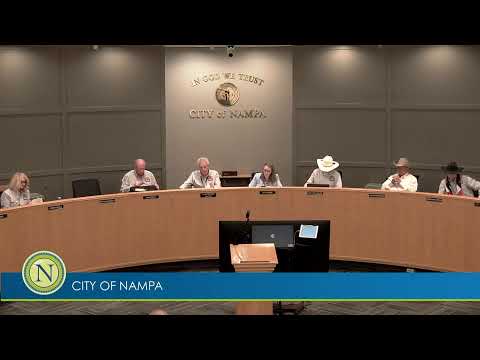
A regional transit executive told the Nampa City Council the agency is proposing to change how on‑demand transit is delivered in Nampa to lower costs while preserving most fixed‑route service. The plan would contract small‑vehicle microtransit for curb‑to‑curb shared rides and shift some long single trips to commercial ride‑hail companies at a $2 fare, the presenter said.
The presentation, given by the transit presenter and Crystal Craig, the city’s director of transportation, said the proposal would eliminate Route 40 within Nampa and reroute its miles into an express connection through Caldwell toward Meridian and Boise. The transit staff said Route 42 would be preserved because it serves the largest share of unique Nampa riders.
Staff framed the change as largely a procurement and implementation task. The transit presenter said the agency must start procurement now to implement the new service by October and that a public open house and hearing are scheduled for June 22 at the Nampa Civic Center (open house 3:30–5 p.m.; hearing 5–7 p.m.).
Council members pressed staff for budget details, recent ridership numbers and whether large employers had committed funding. The transit presenter said the FY26 request is substantially less than last year (a roughly 42% reduction driven by changes to vehicle and service costs) and that outreach to employers such as Micron and local hospitals is underway but has not produced binding commitments.
Craig said the active transportation grant is a zero‑match $500,000 award that requires delivery of a final design product and does not obligate the city to ongoing programmatic spending. The presenter said the hybrid model lowered the cost per boarding almost 48% in their modeling and could preserve or modestly grow ridership on the fixed route by improving first‑ and last‑mile connections.
The council did not vote on the transit plan at the meeting; staff emphasized the June 22 public hearing is required under FTA policies when there is a significant service change and encouraged councilors and residents to attend.